GHOUSIA INDUSTRIAL TRAINING INSTITUTE
Recognised and Aided by Government of Karnataka & Permanently Affiliated to NCVT, Govt. of India.
Hosur Road, Near Bangalore Dairy, DRC Post Bengaluru 560029
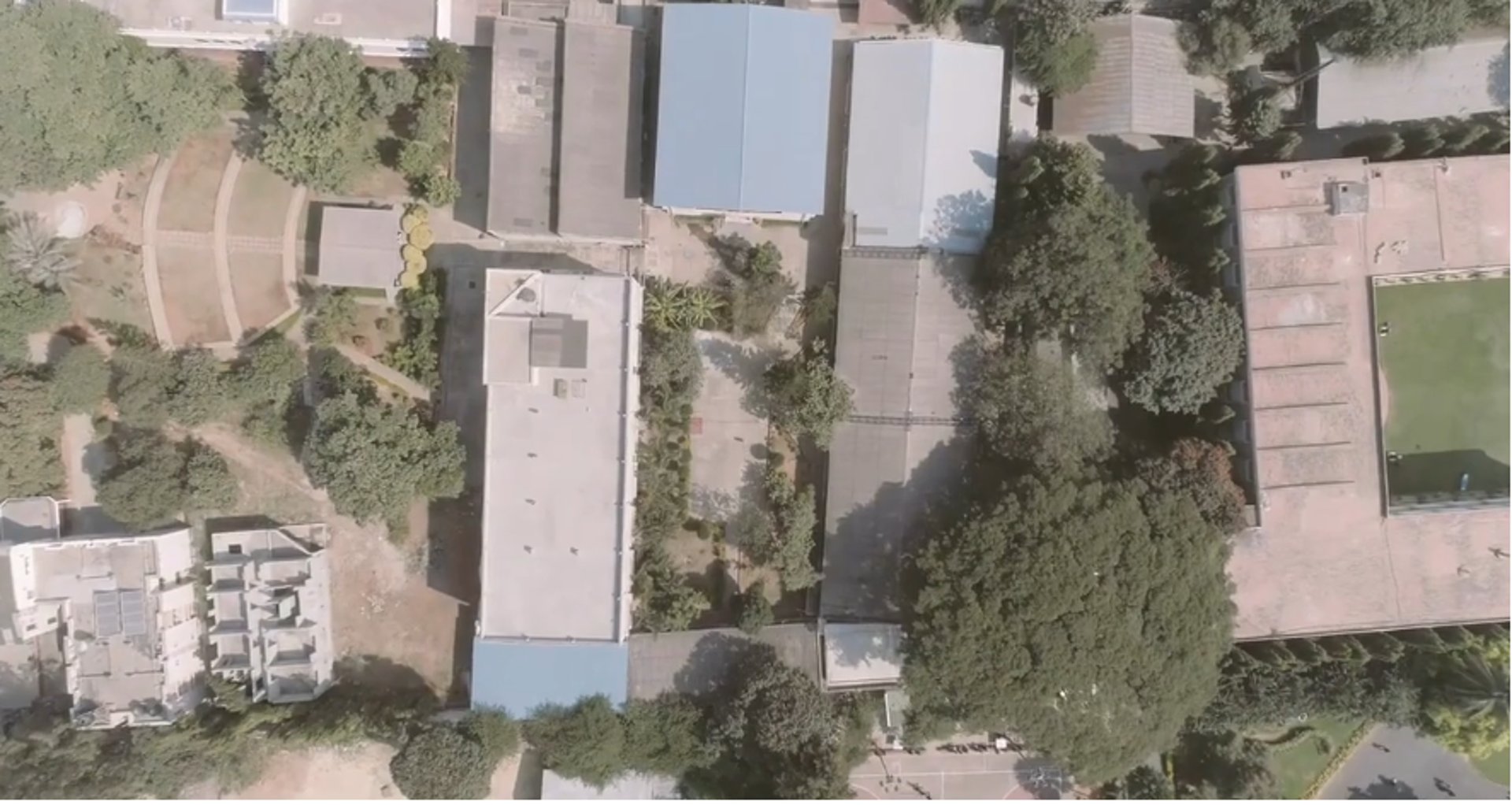
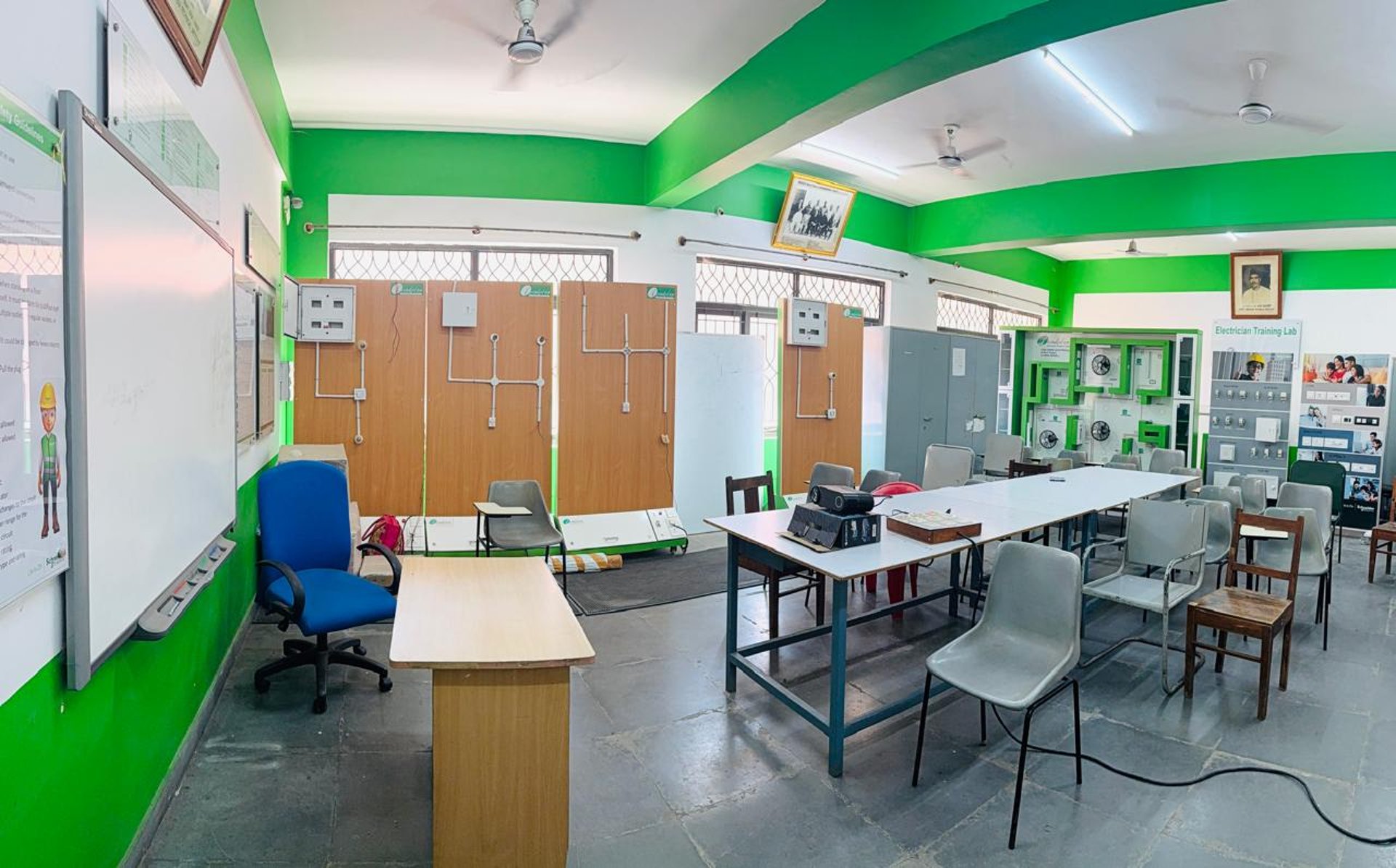
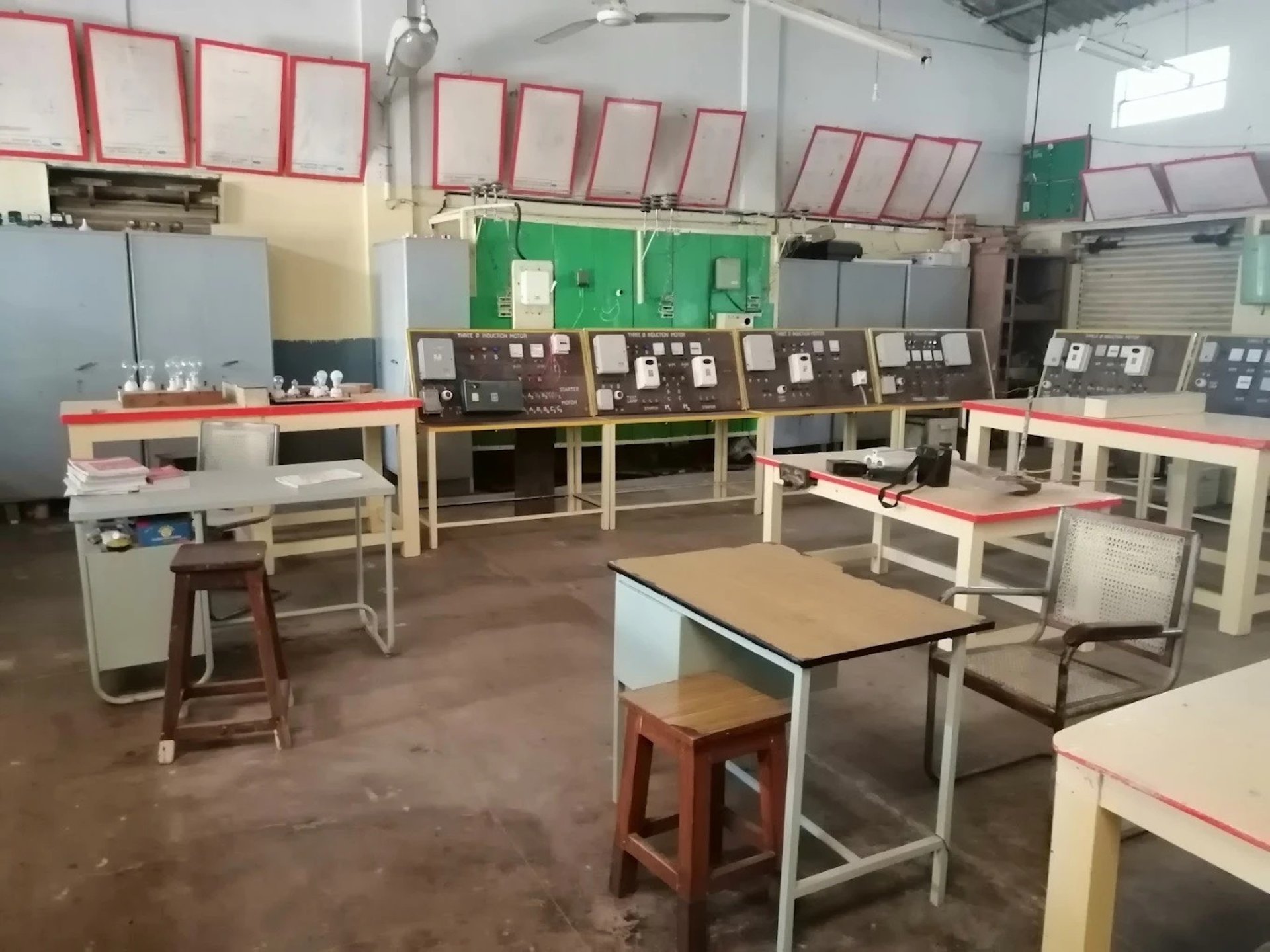
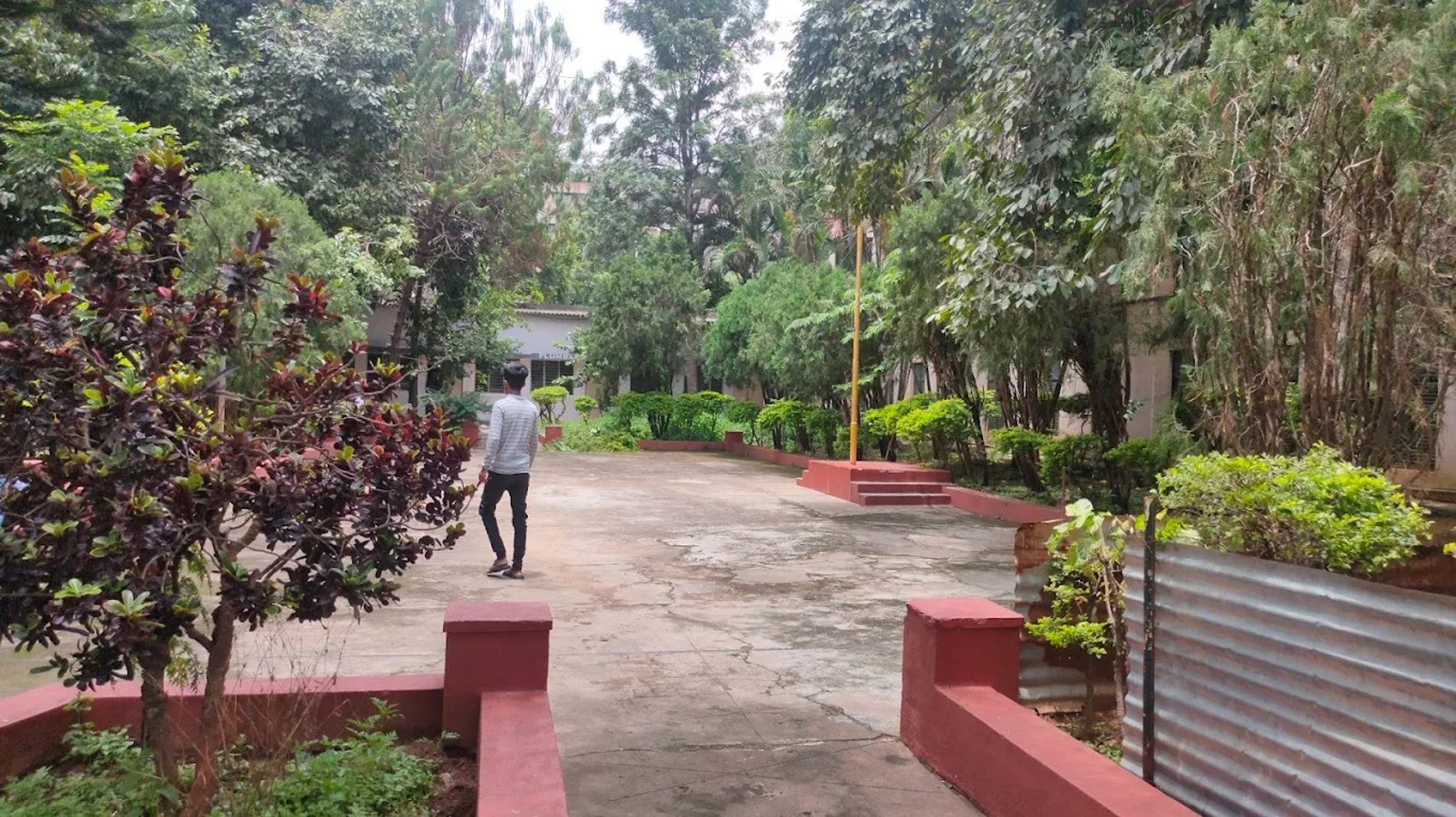
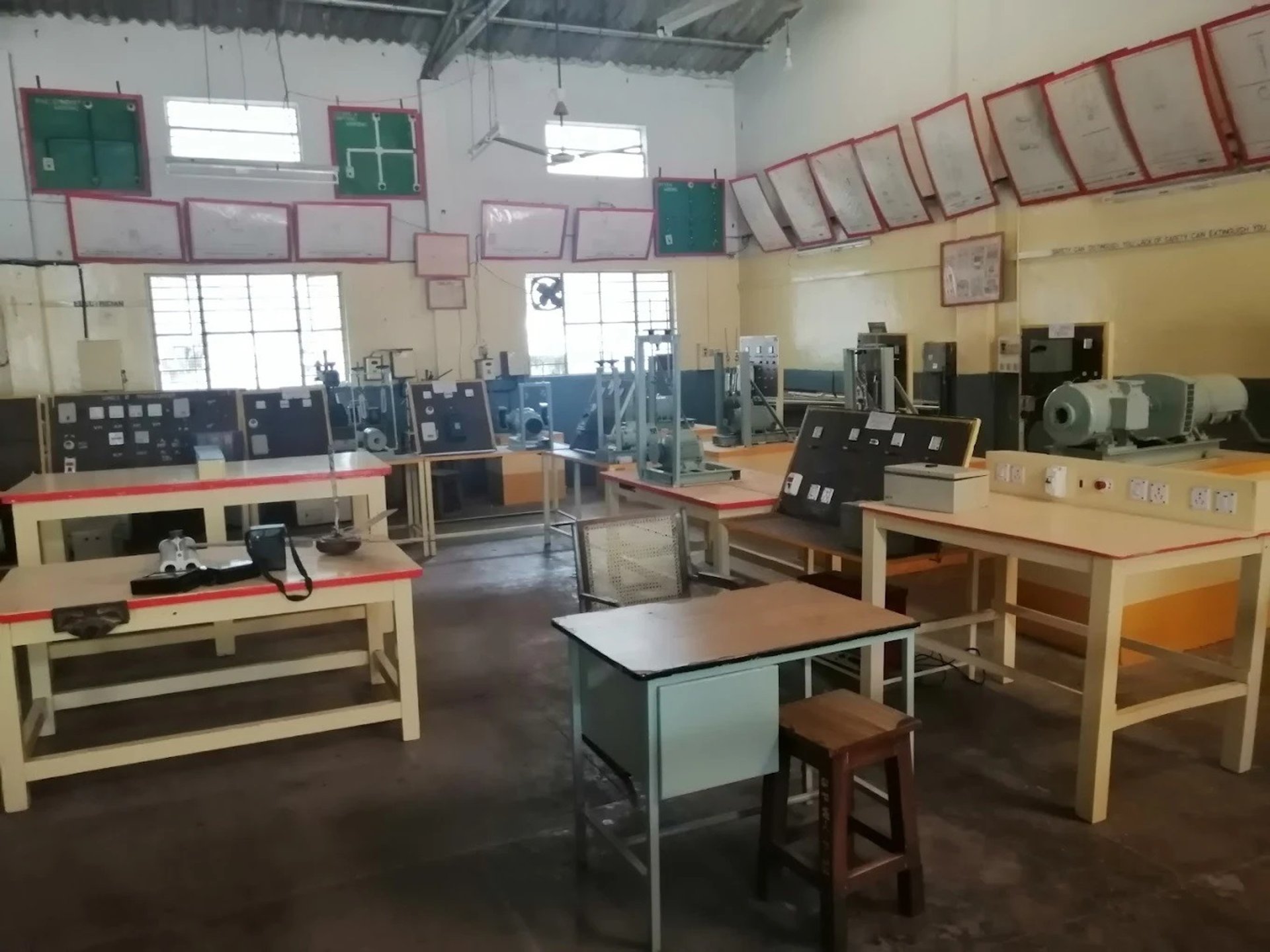
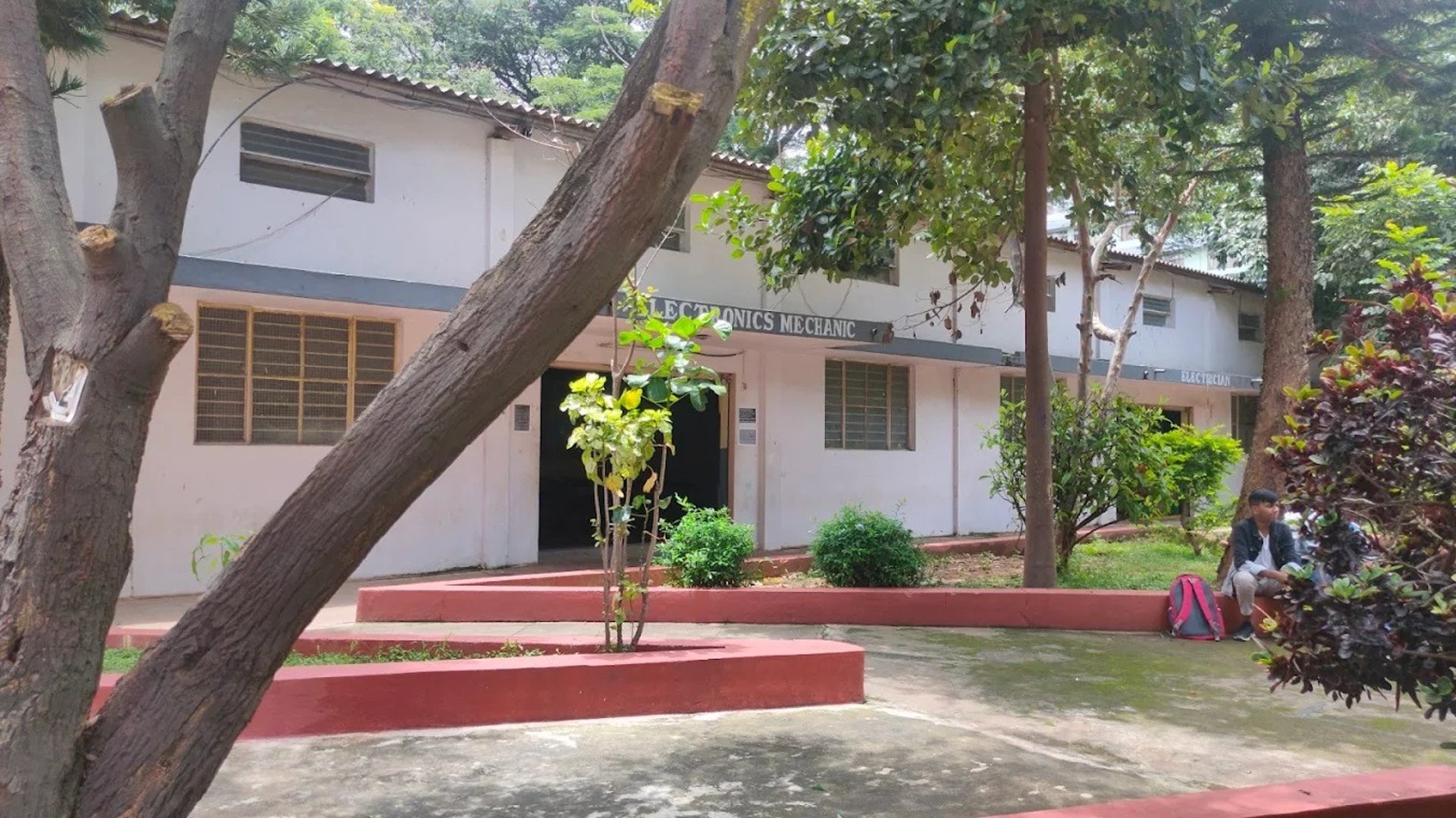
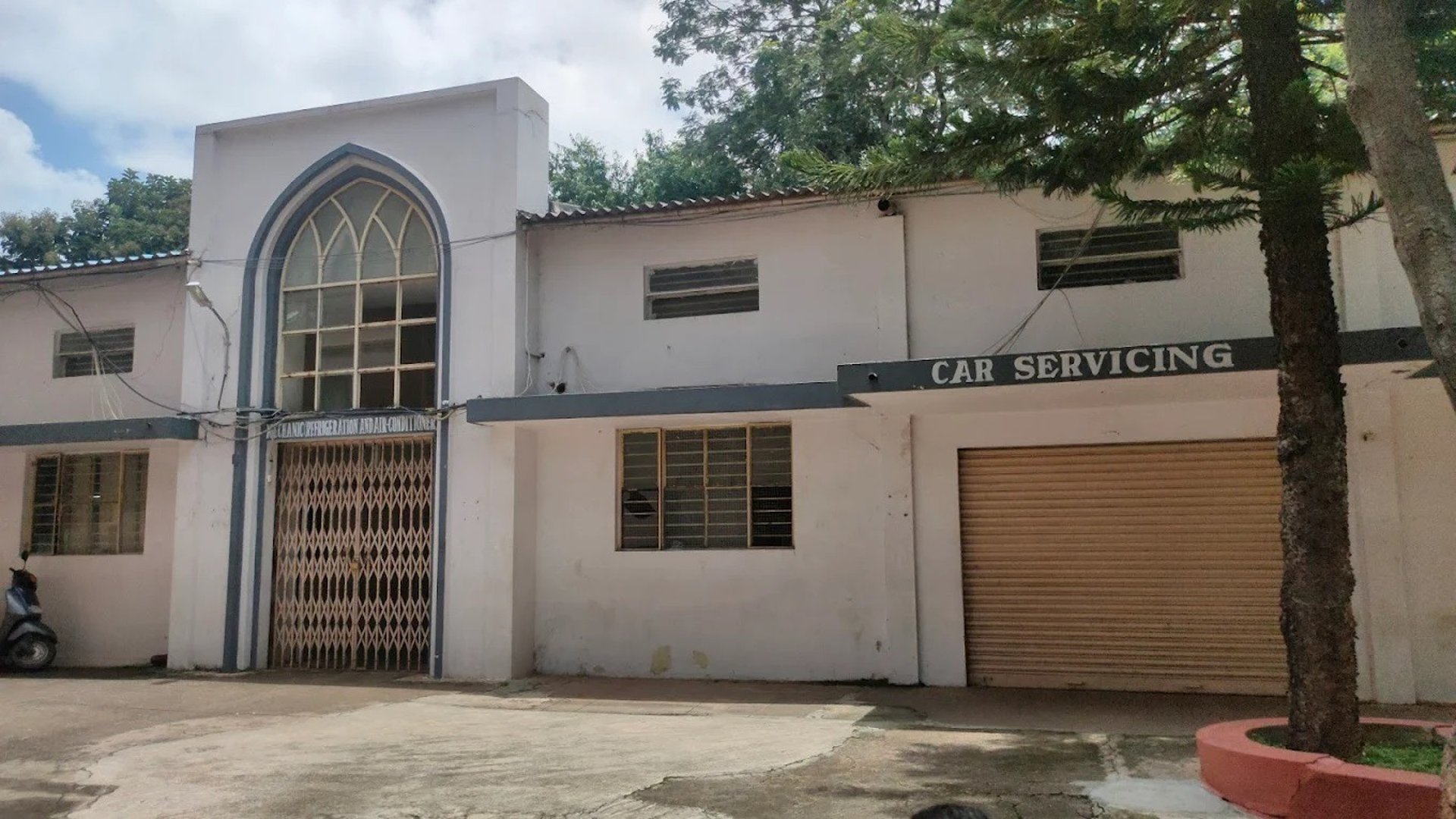
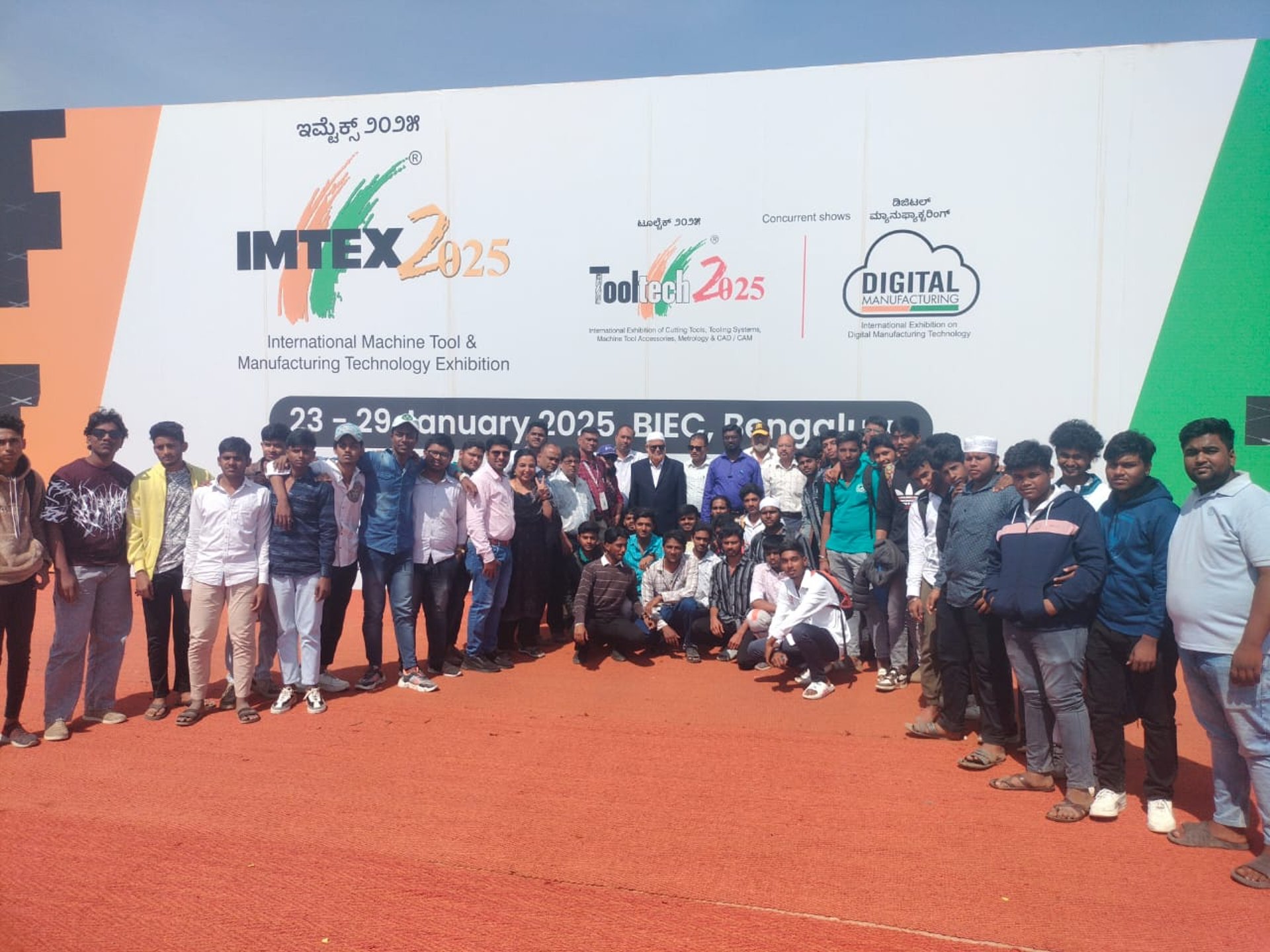
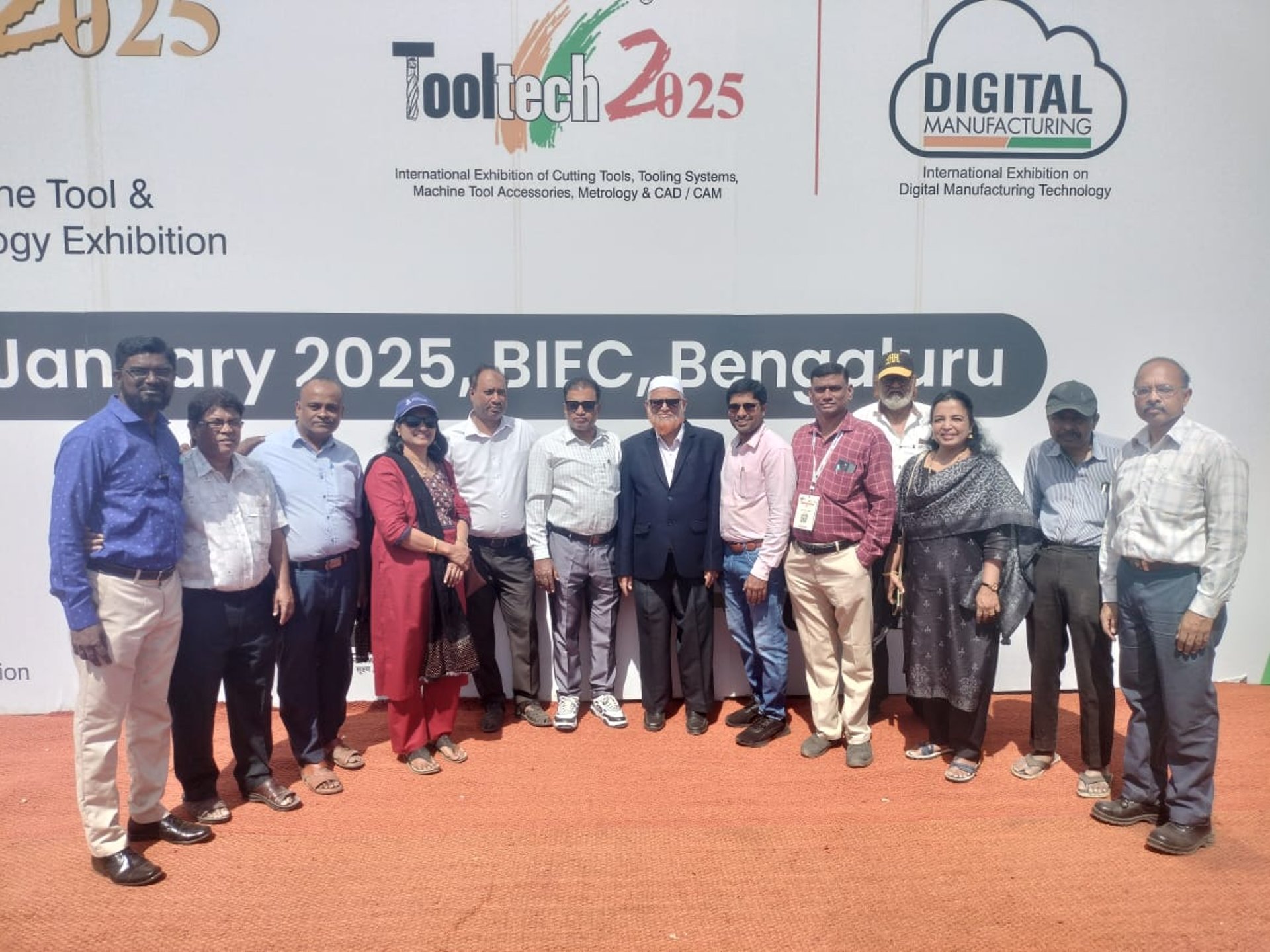
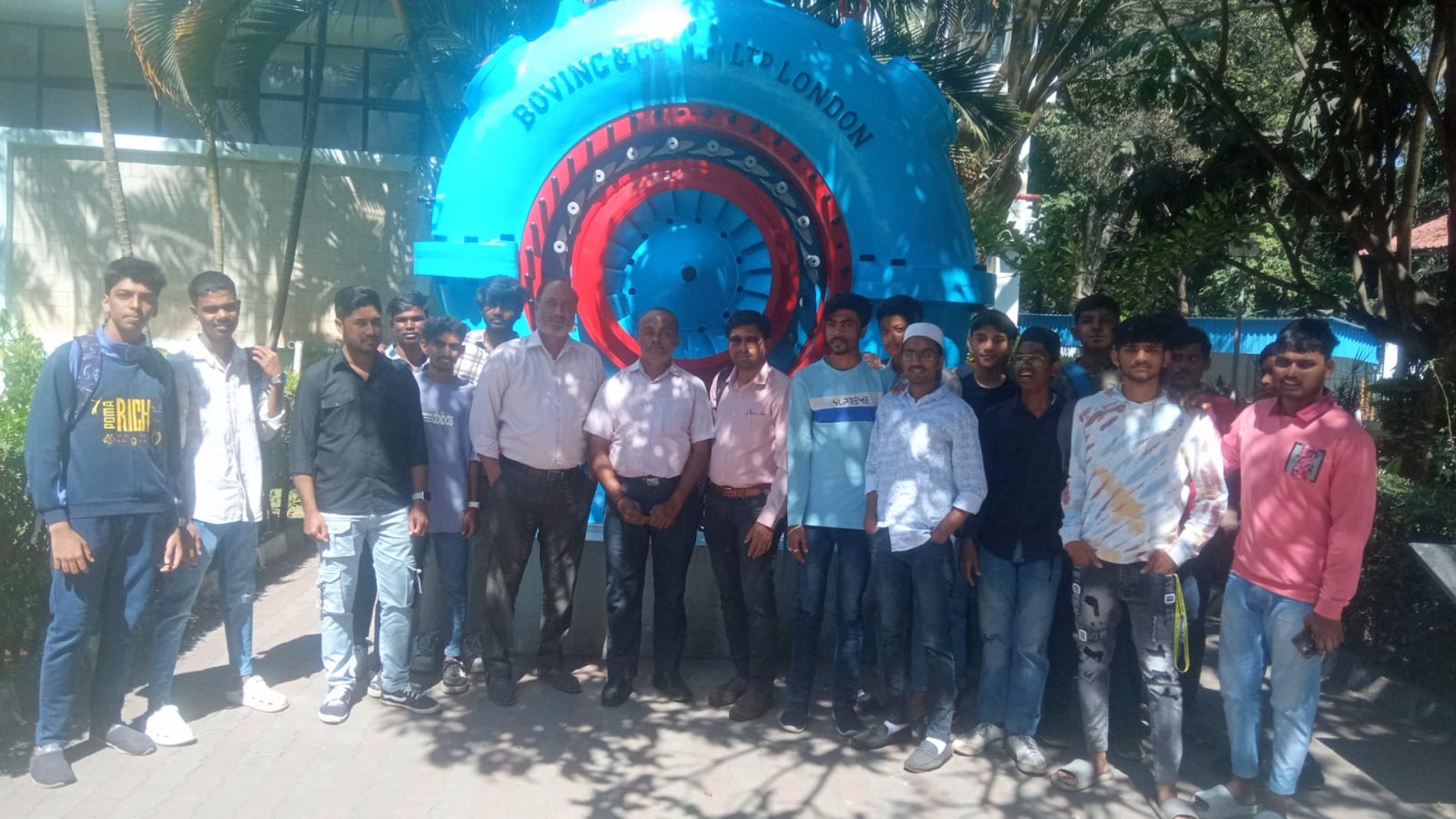
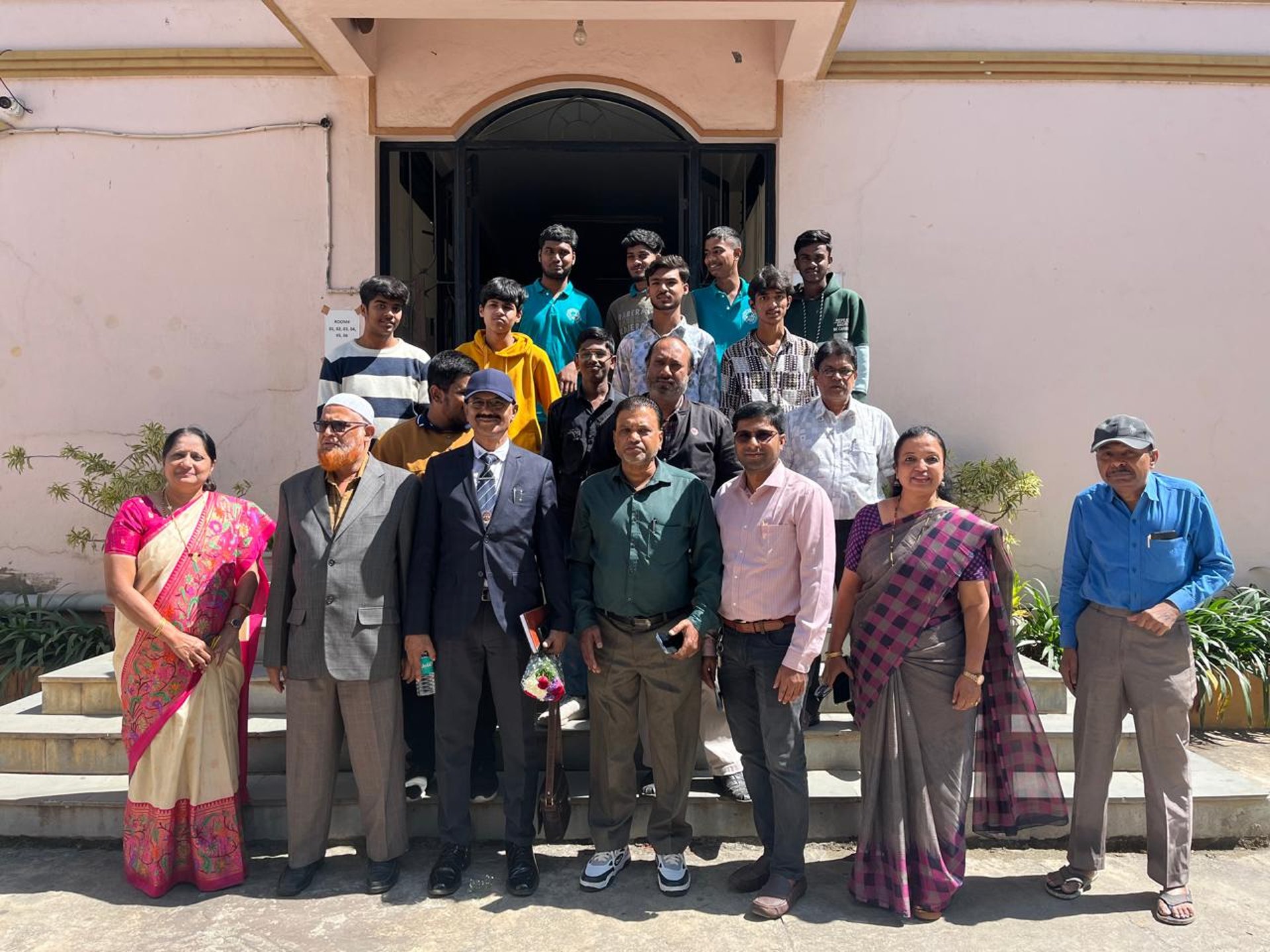
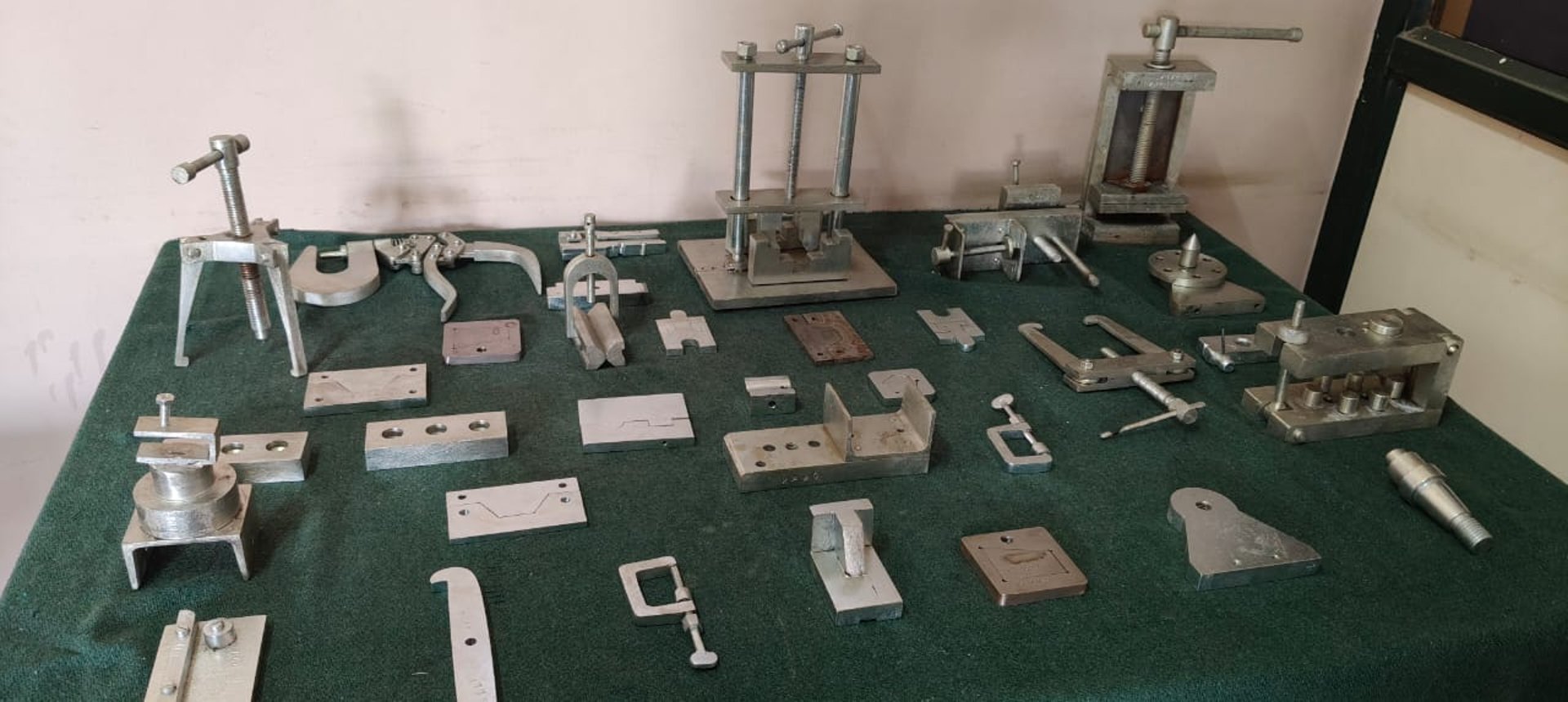
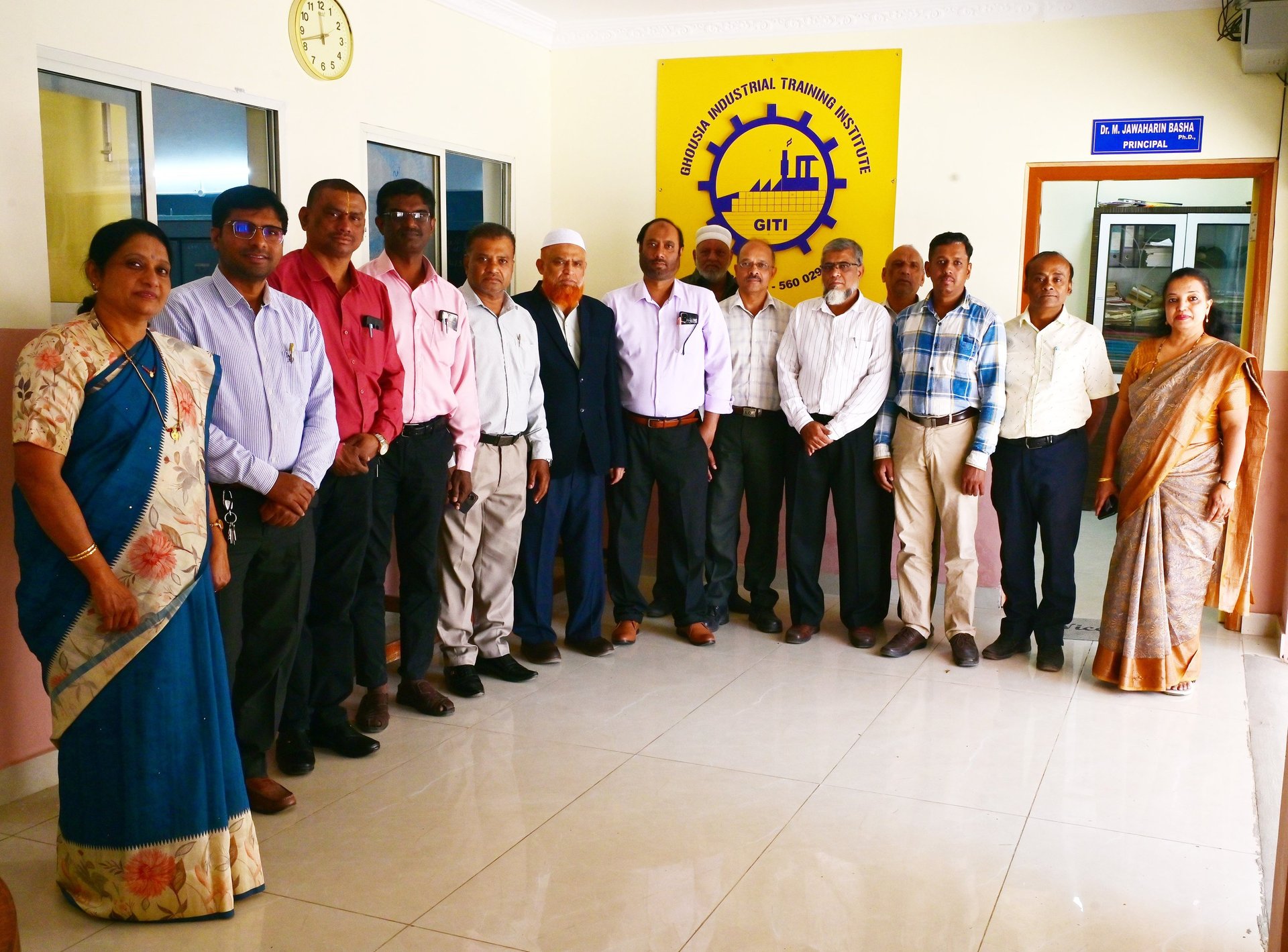
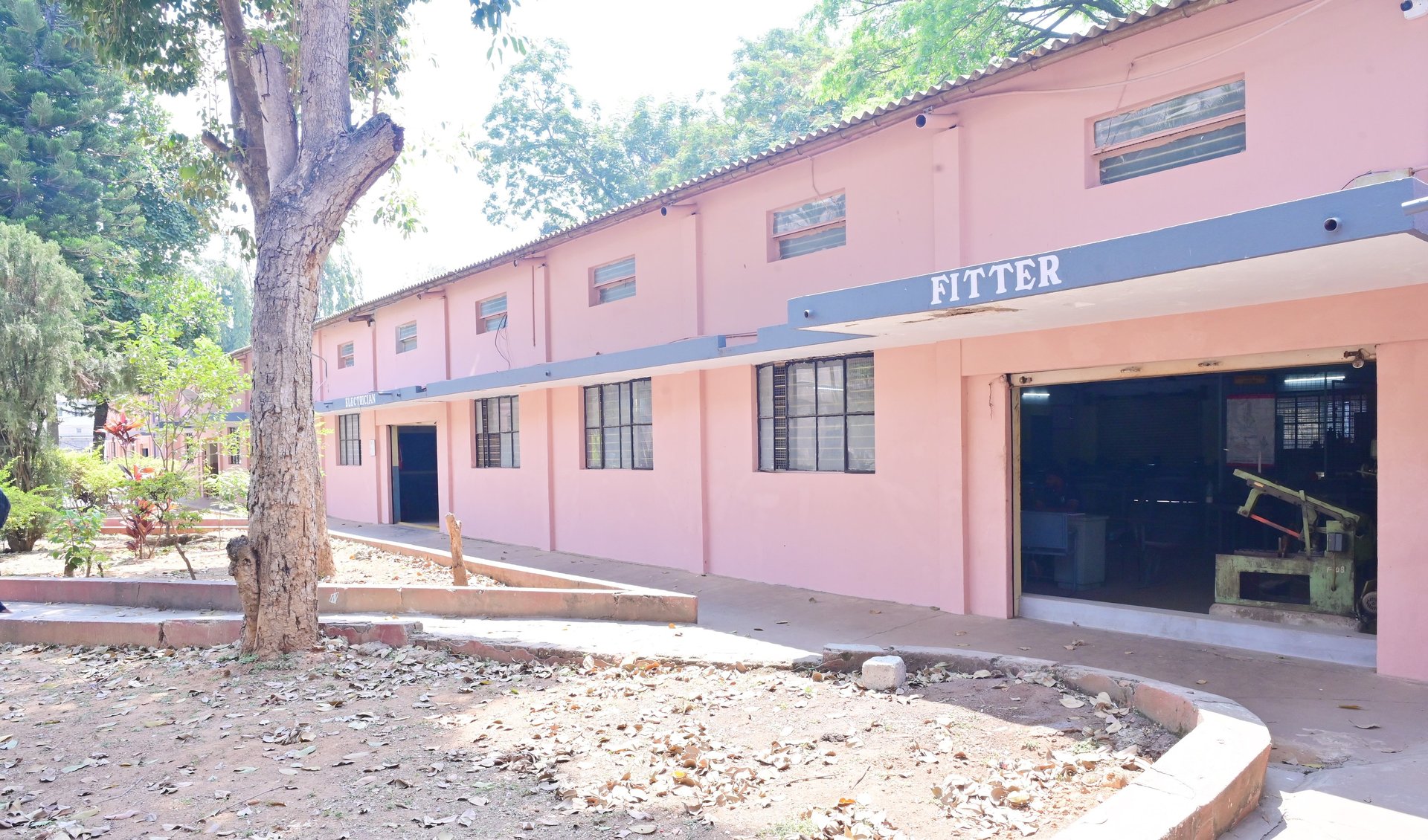
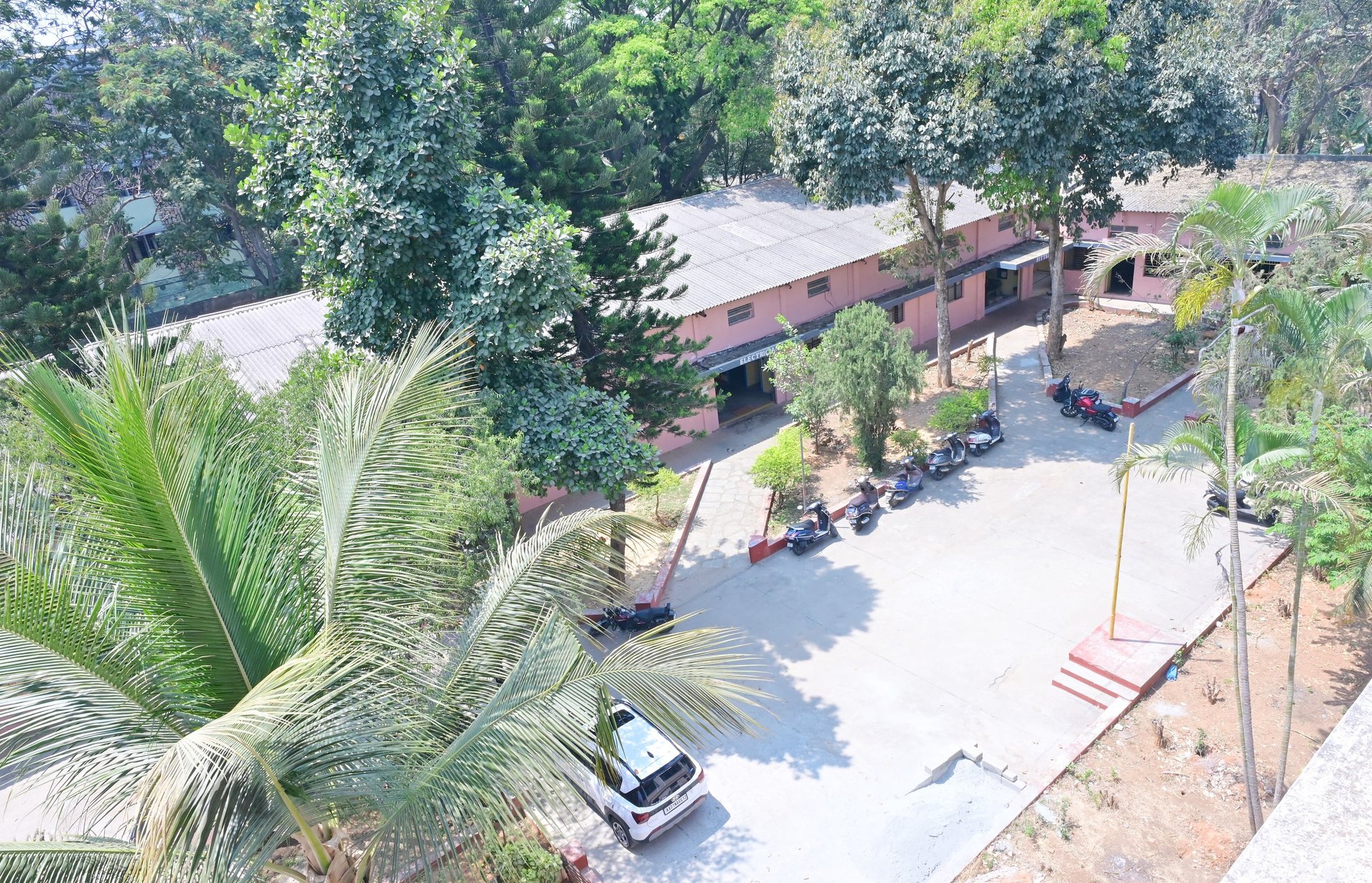
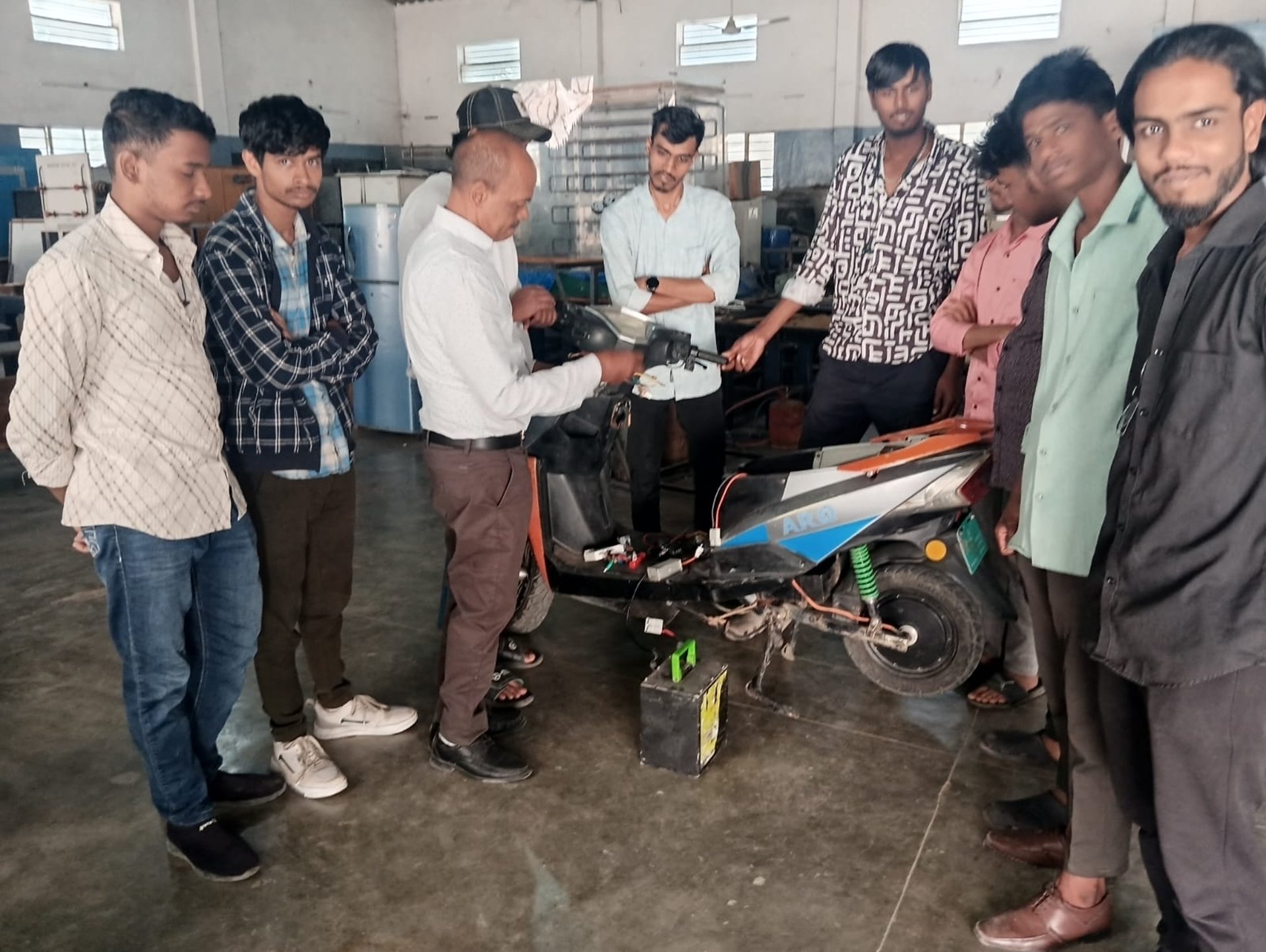
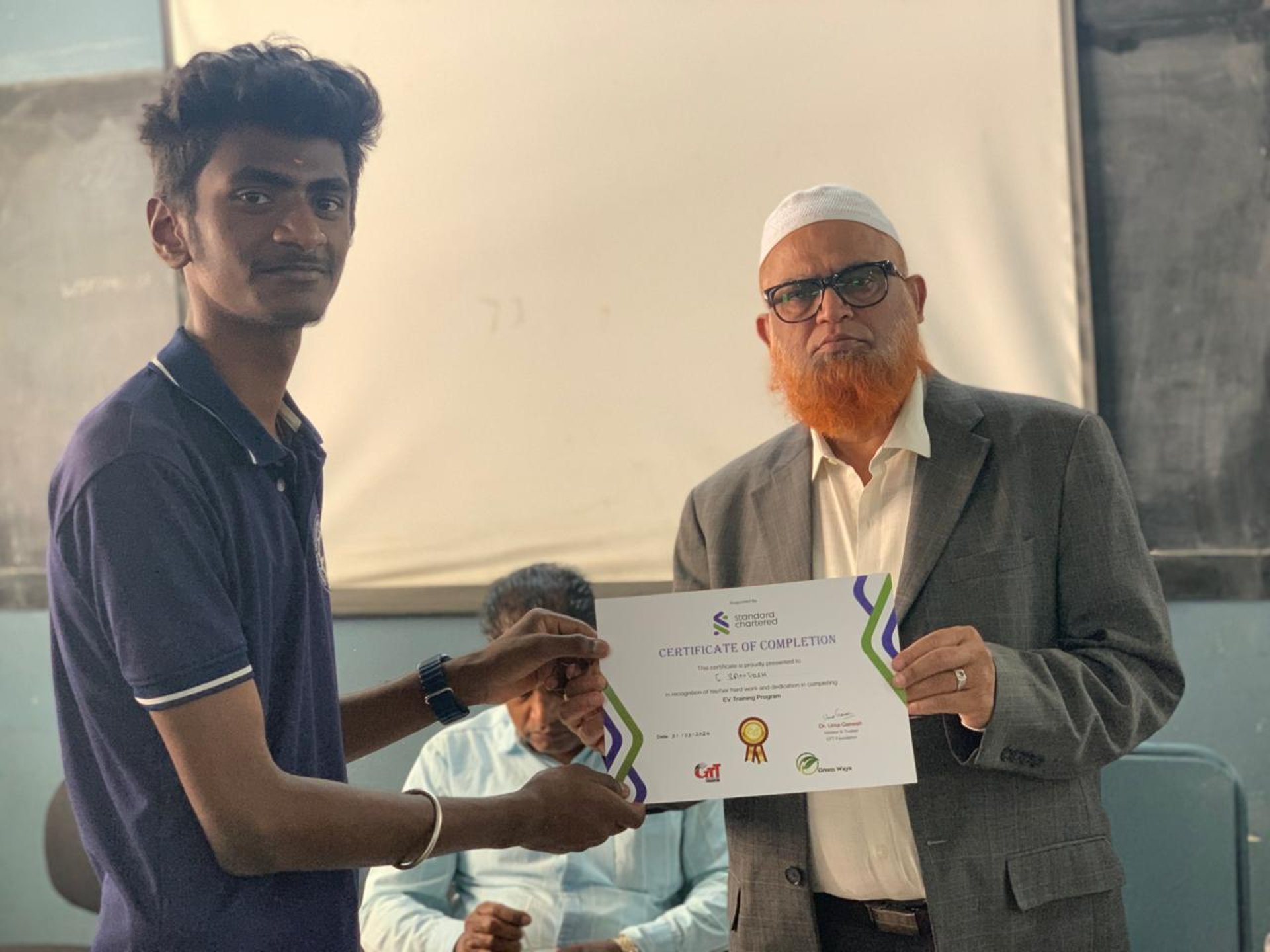
Our mission is to provide industry-oriented vocational training that equips students with practical skills, professional ethics, and technological competence. We strive to develop confident, job-ready individuals through hands-on learning, modern infrastructure, and strong industry collaboration, enabling successful careers and lifelong growth
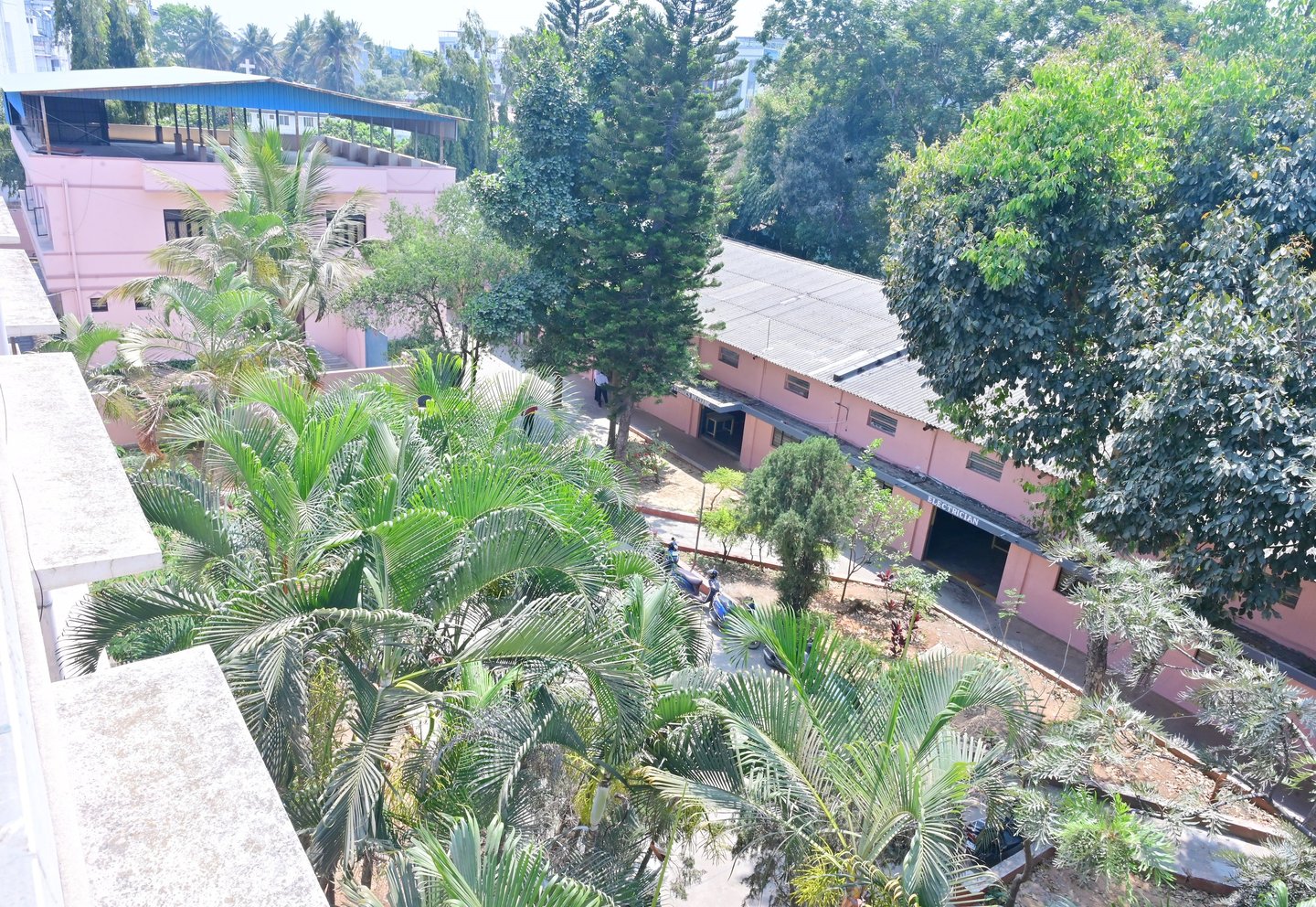
To be a leading Industrial Training Institute committed to developing highly skilled, disciplined, and industry-ready professionals by providing quality technical training, fostering innovation, and promoting lifelong learning to meet the evolving needs of industry and society.
Ghousia Industrial Training Institute, located on Hosur Road near Bangalore Dairy, DRC Post, Bengaluru (560029), was established in 1962 under the Ghousia Industrial & Engineering Trust. The institute was founded by Late Janab Alhaj Nabi Sharieff Saheb in memory of his father, Janab Mohammed Ghouse Saheb, with the objective of providing quality vocational and technical education to the youth. Since its inception, the institute has been dedicated to imparting skill-based, hands-on training in various engineering and technical trades to meet the needs of industry. Recognized and affiliated with the National Council for Vocational Training (NCVT) in 1977, Ghousia Industrial Training Institute has continuously strengthened its academic standards and infrastructure. Over the decades, the institute has evolved into a well-established centre of industrial training with experienced faculty, well-equipped workshops, and strong emphasis on discipline, safety, and employability. It has successfully trained thousands of students who have gone on to serve in industries, public sector organizations, and self-employment, thereby contributing meaningfully to industrial and societal development. It offers the following courses.
Ghousia Industrial Training Institute, located on Hosur Road near Bangalore Dairy, DRC Post, Bengaluru (560029), is a co-educational technical institution dedicated to providing skill-based vocational education in various engineering and industrial trades. Its strategic location along the Hosur Road corridor offers convenient access to students from Bengaluru city and nearby industrial areas, while the disciplined and industry-oriented campus environment supports focused technical learning. Bengaluru, widely known as India’s technology and industrial hub, provides an ideal backdrop for vocational training, where modern industry, skilled manpower needs, and technical education come together seamlessly.
As part of the well-established Ghousia group of educational institutions, Ghousia Industrial Training Institute benefits from a strong academic legacy, experienced management, and well-developed infrastructure. The institute offers hands-on training through well-equipped workshops, modern tools, and industry-relevant practices that enable trainees to gain real-world technical skills. Emphasis is placed on safety standards, discipline, and practical competency, ensuring that trainees are well prepared for employment, apprenticeships, and self-employment opportunities.
The institute also focuses on the overall development of trainees by organizing industrial visits, skill development programs, seminars, and awareness sessions that enhance technical knowledge, work ethics, teamwork, and confidence. With its strong commitment to quality vocational education, industry alignment, and value-based training, Ghousia Industrial Training Institute provides a supportive and motivating environment that prepares trainees for successful careers and meaningful contributions to industry and society.
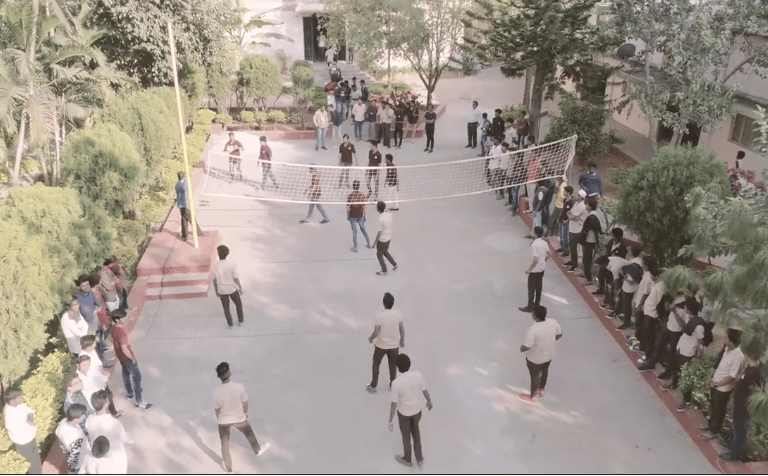
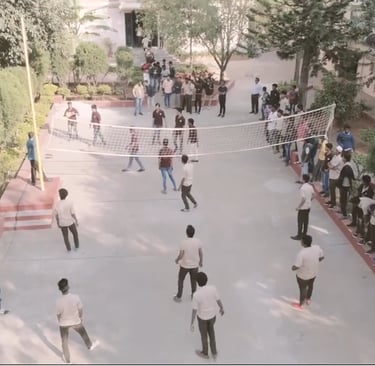
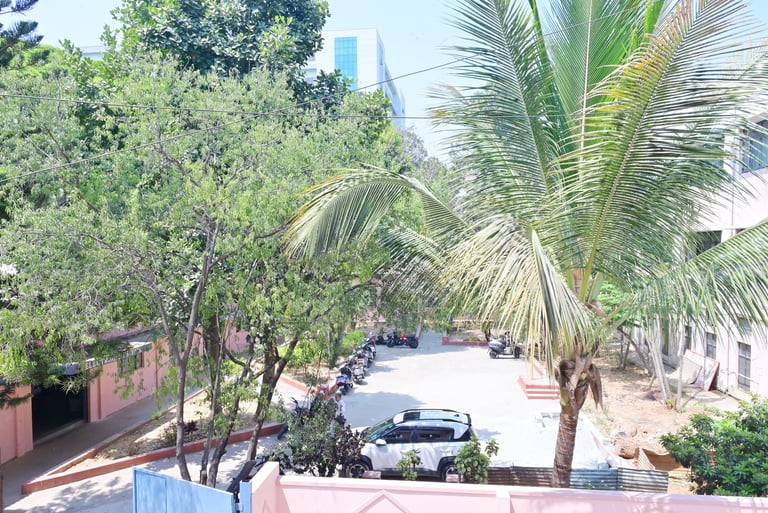
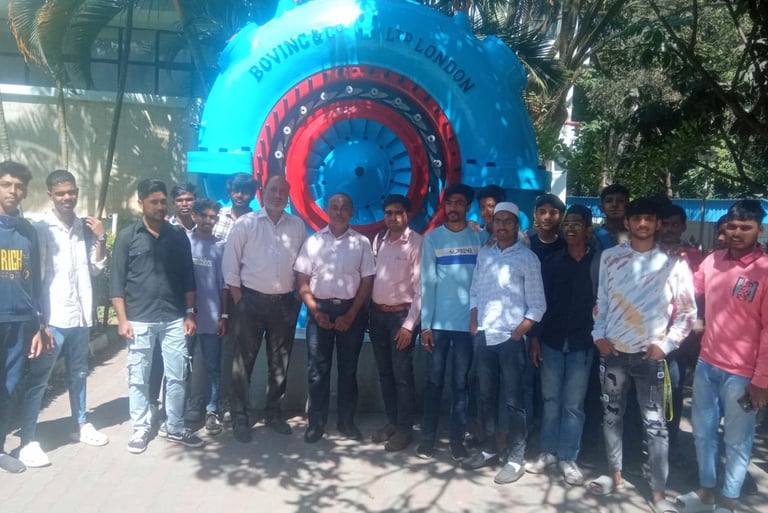
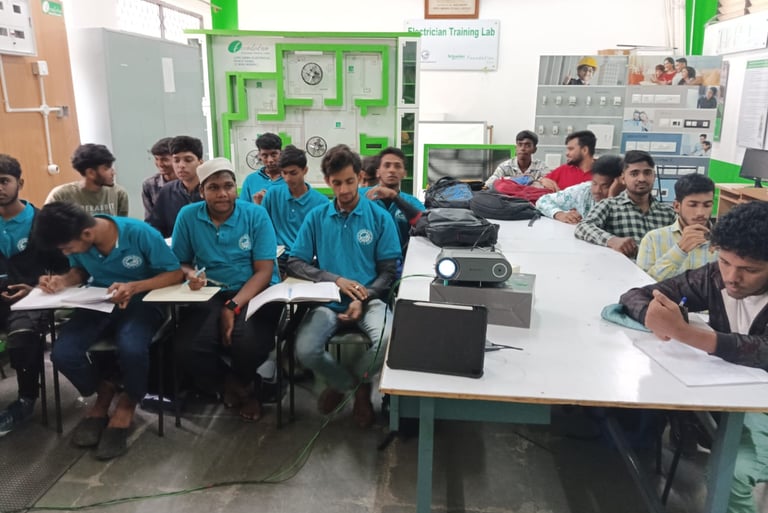
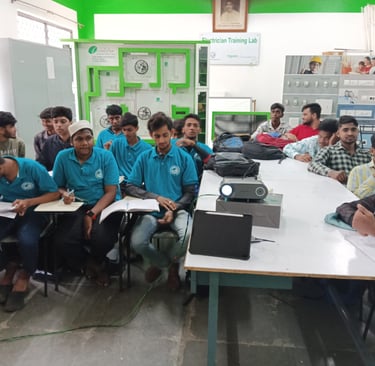
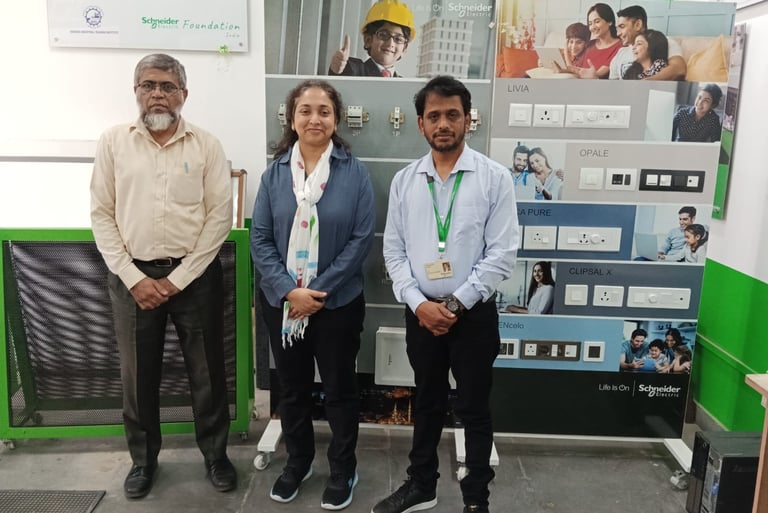
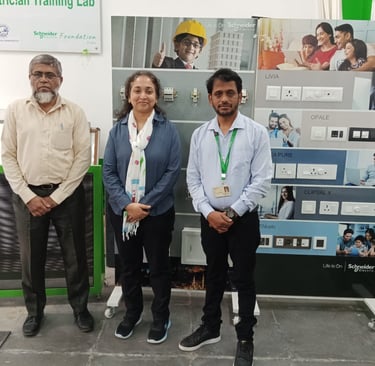
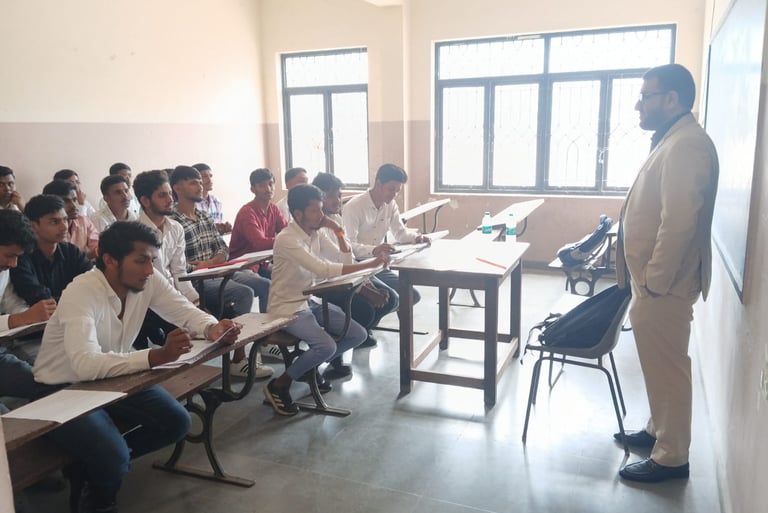
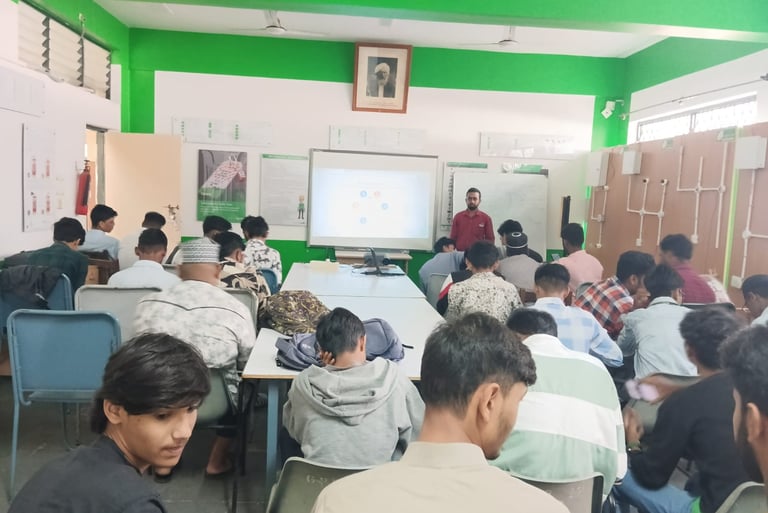
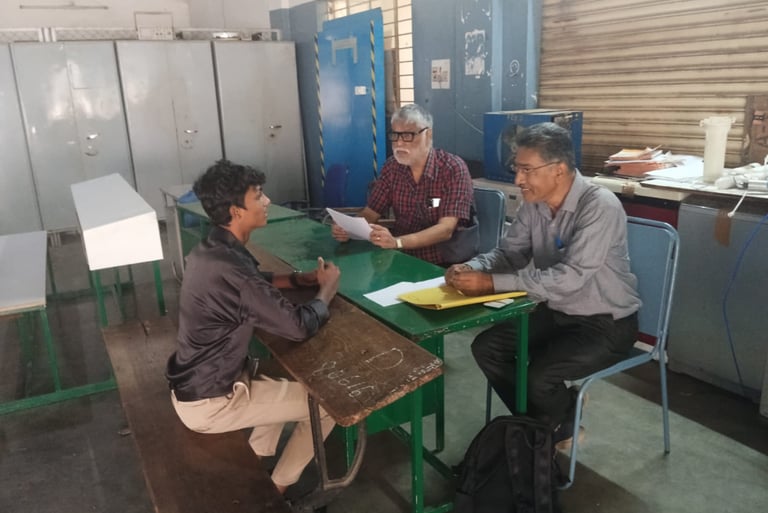
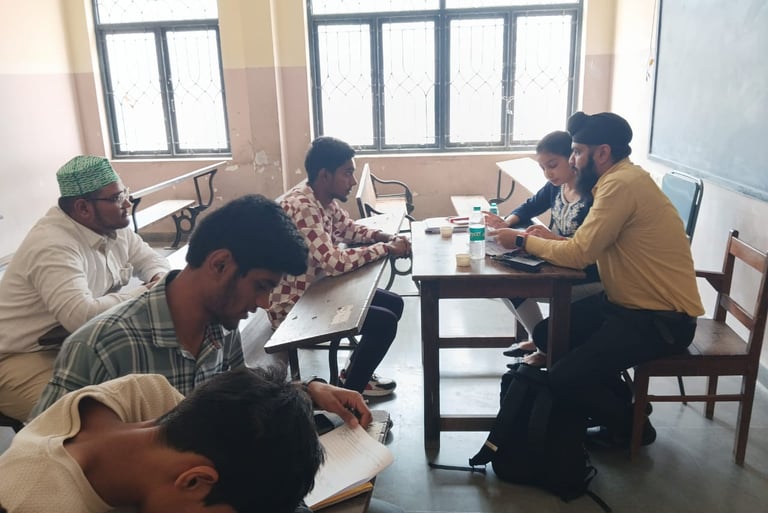
Campus Life: Campus life at the Industrial Training Institute (ITI) level plays a vital role in shaping a trainee’s professional attitude, discipline, and technical confidence. At this stage, trainees transition from school education to skill-based vocational training, where greater emphasis is placed on responsibility, punctuality, and workplace discipline. A structured and supportive campus environment helps trainees adapt smoothly to this shift, balancing trade theory with intensive practical training. Safe surroundings, experienced instructors, and a disciplined atmosphere motivate trainees to develop strong work ethics, technical competence, and confidence required for industrial settings.
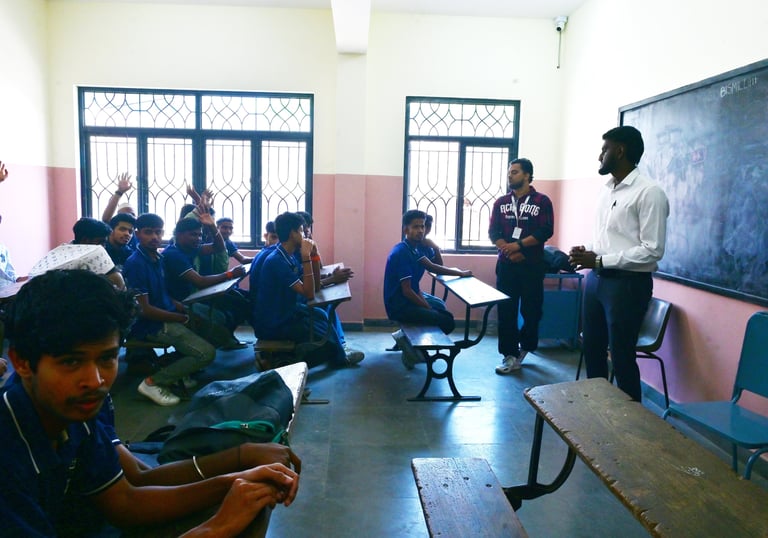
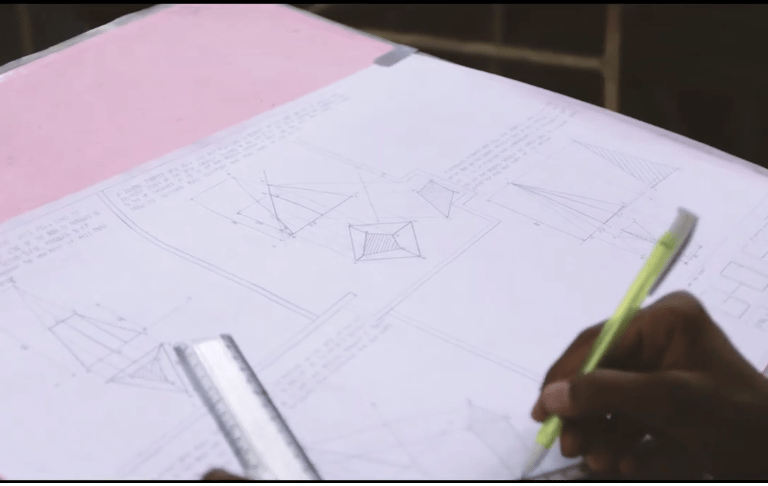
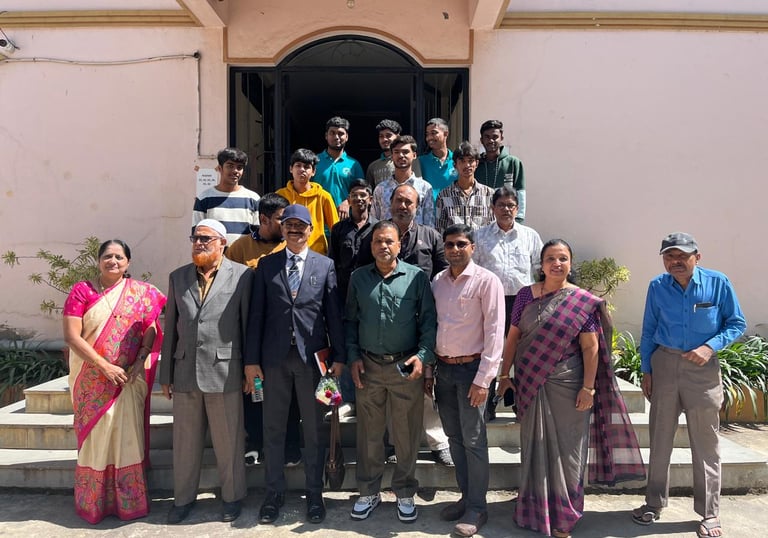
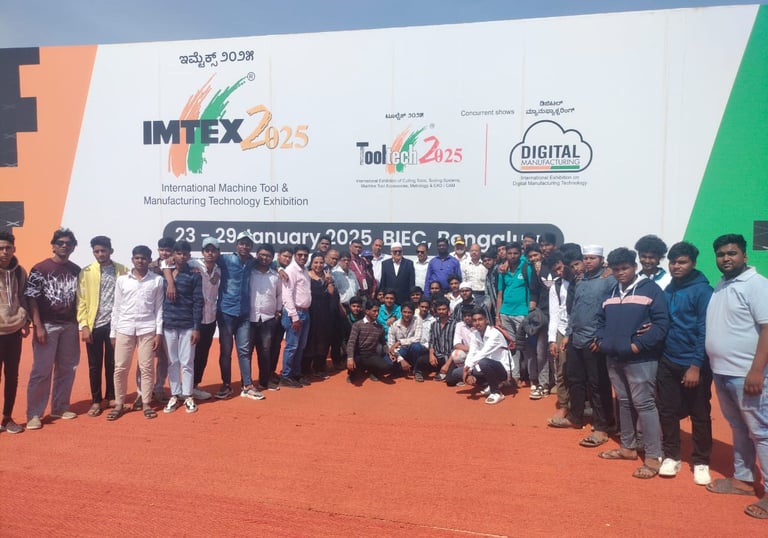
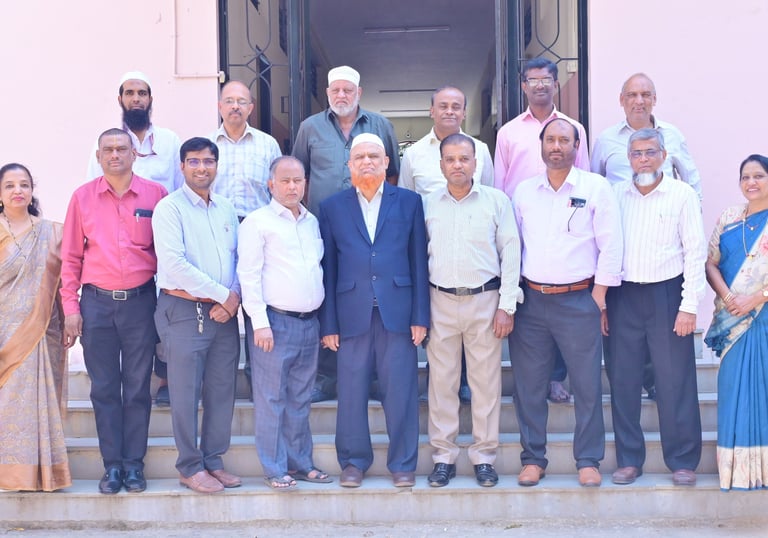
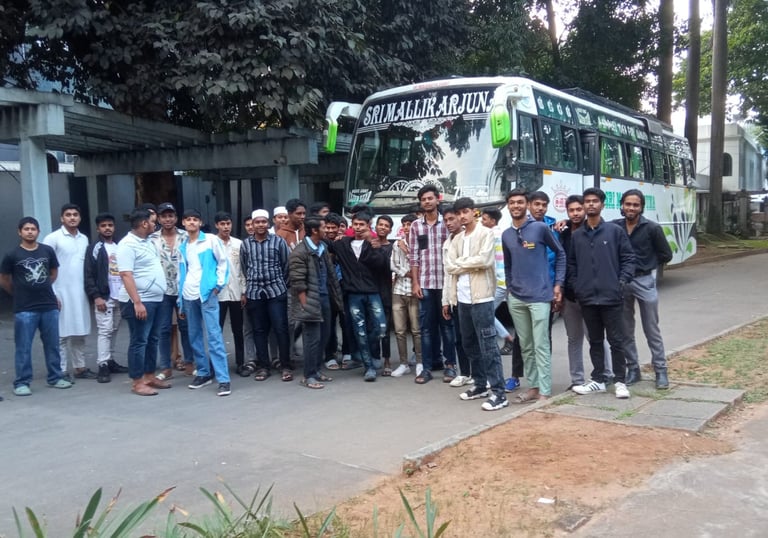
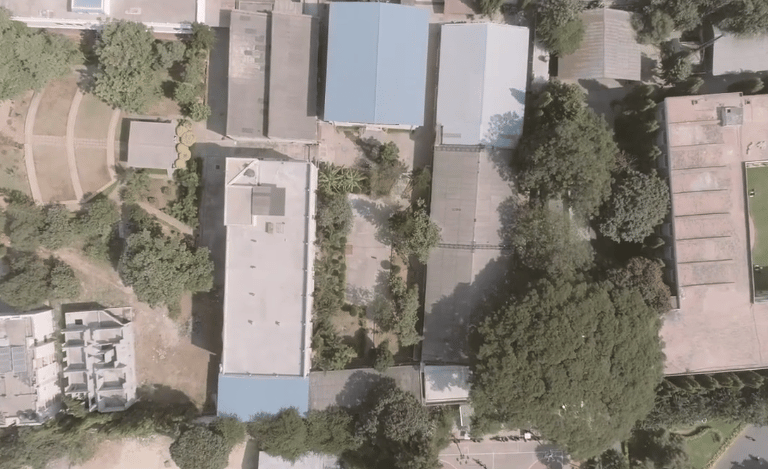
Beyond regular trade training, campus life at an ITI is enriched through co-curricular and skill-development activities. Industrial visits, skill competitions, workshops, seminars, safety awareness programs, and entrepreneurship initiatives expose trainees to real-world industrial practices. Participation in these activities helps trainees strengthen practical skills, teamwork, problem-solving ability, and communication skills. Such experiences not only make training more engaging but also prepare trainees for apprenticeships, employment interviews, and on-the-job challenges in industry.
Campus life at the ITI also encourages meaningful peer interaction and collaboration, which are essential for personal and professional growth. Working alongside trainees from diverse backgrounds fosters mutual respect, cooperation, and adaptability—qualities highly valued in the workplace. A campus culture that emphasizes discipline, safety, values, and respect helps shape trainees into responsible and reliable professionals. Overall, a well-rounded ITI campus experience ensures that trainees are not only technically skilled but also confident, disciplined, and prepared to meet the expectations of industry and society.
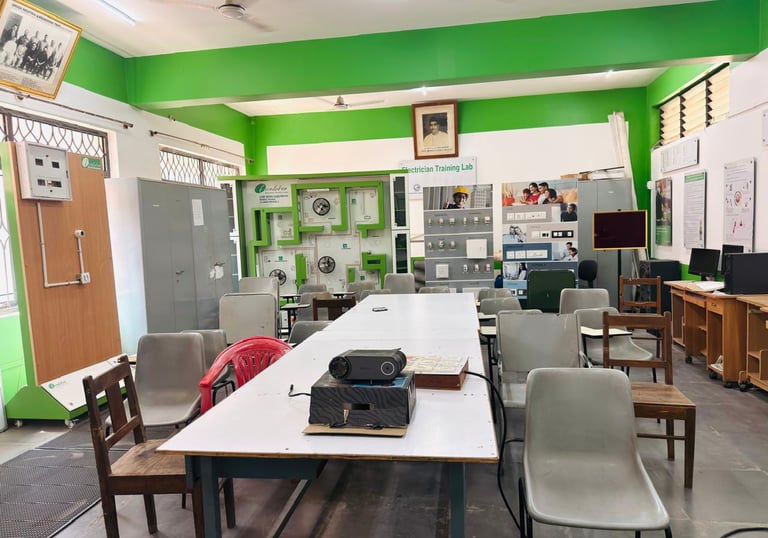
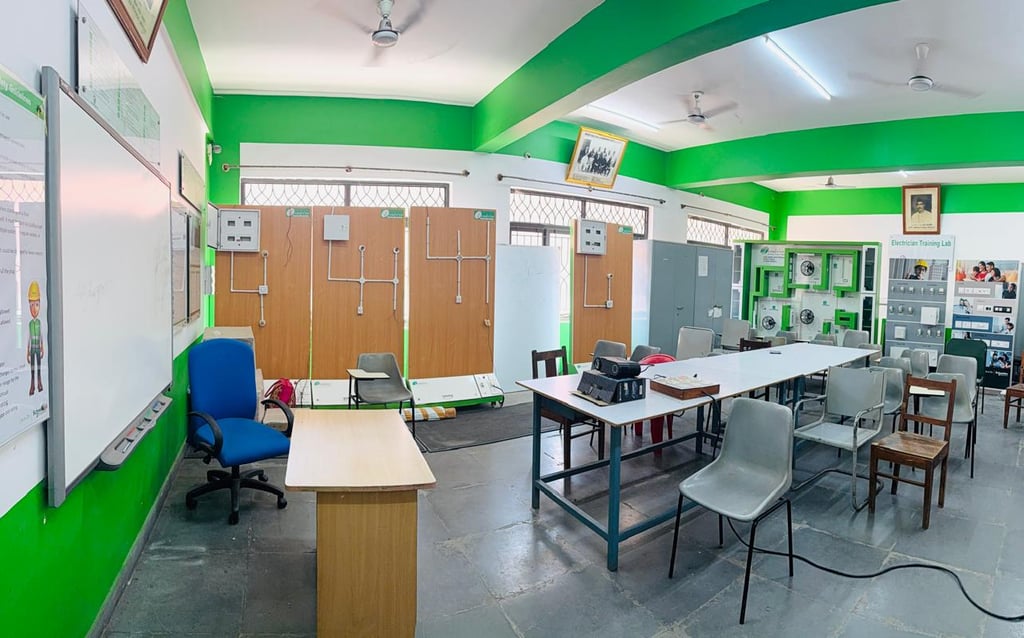
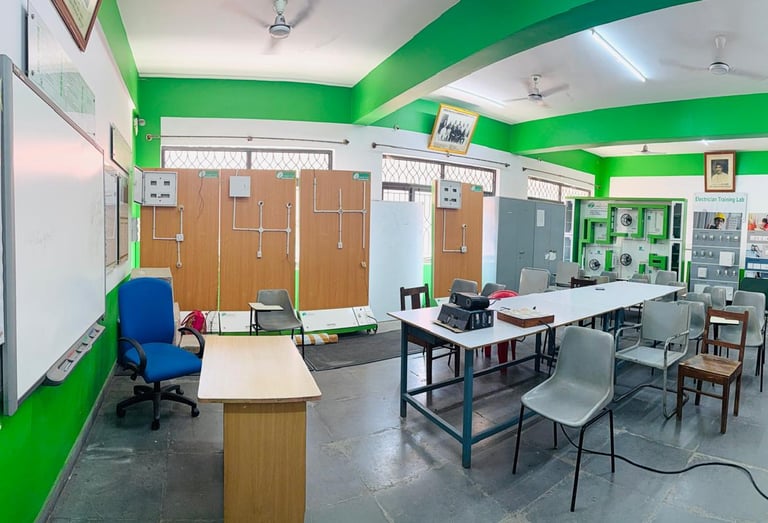
Library & Information Center: The Library and Information Centre at Ghousia Industrial Training Institute serves as an essential academic support facility for ITI trainees, providing a quiet, well-organized, and resource-rich environment that complements hands-on workshop training. At the industrial training stage, trainees are required to understand trade theory, safety standards, engineering concepts, and industry practices in addition to practical skills. A well-maintained library offers access to trade textbooks, reference manuals, NCVT/SCVT syllabi, question banks, model papers, safety handbooks, and technical journals that strengthen theoretical knowledge and improve performance in examinations and trade tests.
In addition to printed resources, the Information Centre supports learning through digital materials such as e-books, technical videos, manuals, and curated online content related to modern tools, machinery, and emerging technologies. These resources help trainees develop problem-solving abilities, technical understanding, and independent learning habits that are crucial for apprenticeships, employment, and continuous skill upgradation in industry. Access to updated technical information enables trainees to stay aligned with current industrial practices and standards.
The library also plays a key role in fostering discipline, focus, and professional learning habits among trainees. A structured reading and study space allows them to revise theory, prepare for assessments, and enhance their trade knowledge without distractions. Guidance from library staff and instructors helps trainees learn effective methods of sourcing technical information and using reference materials efficiently. Overall, the Library and Information Centre acts as a strong academic backbone of the institute, supporting skill development, theoretical clarity, and the professional growth of ITI trainees.
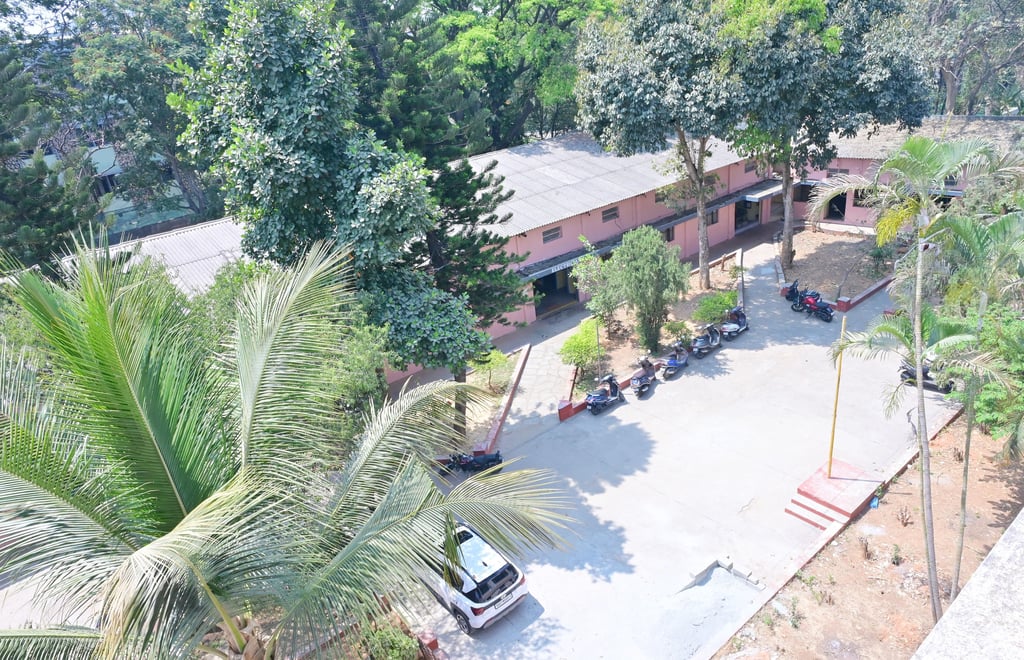
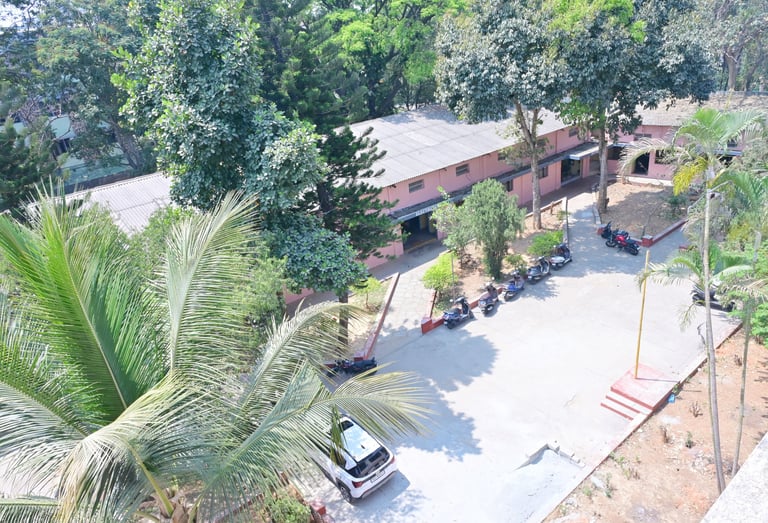
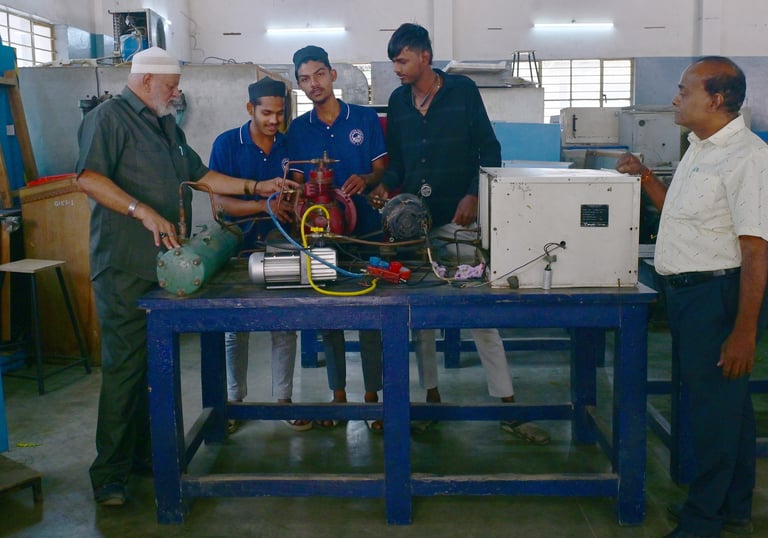
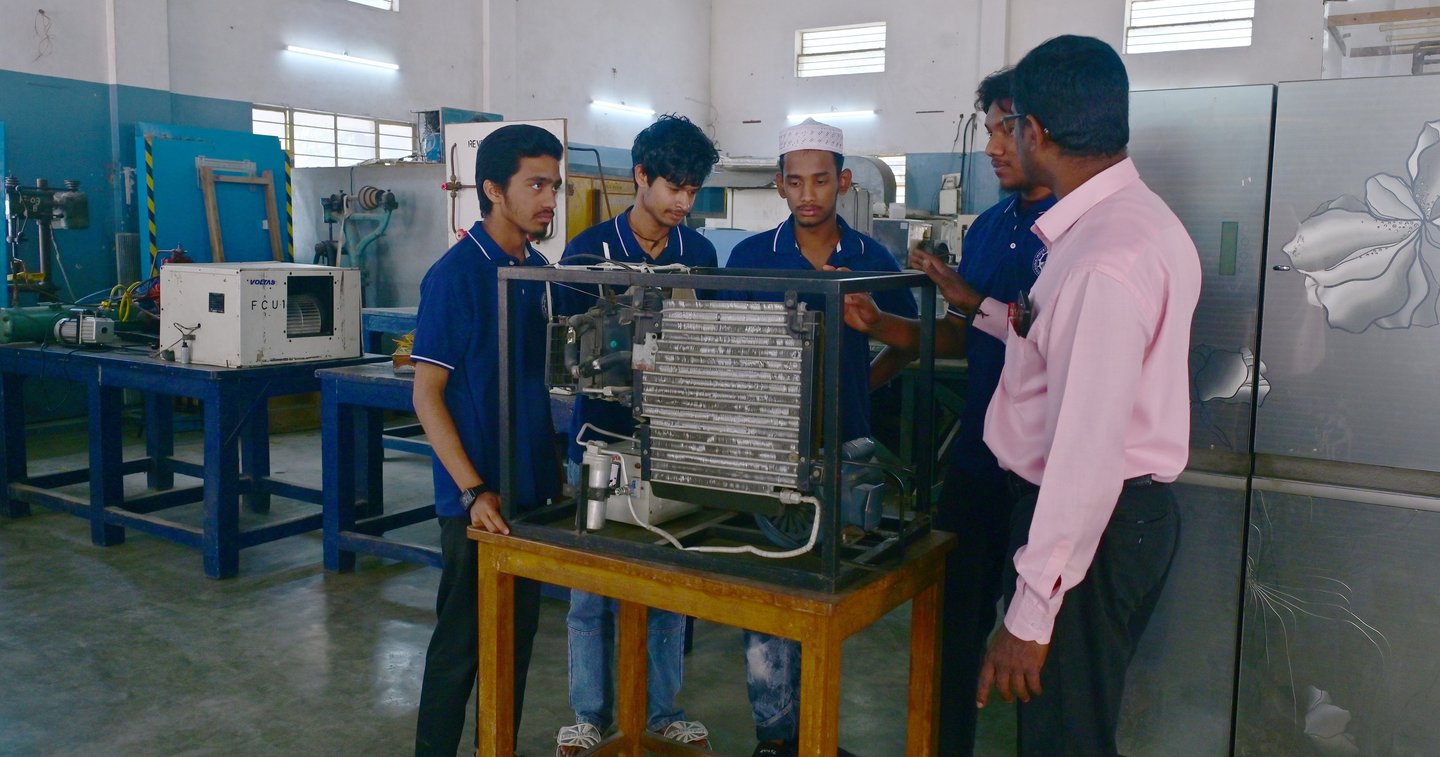
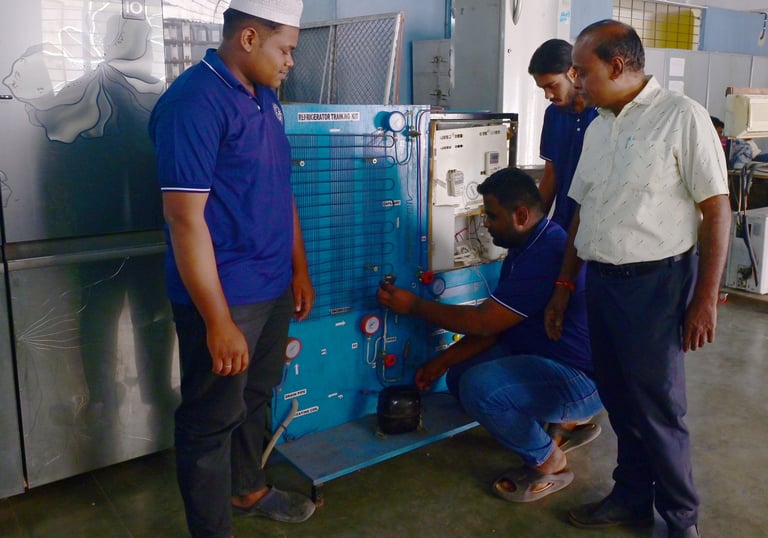
Refrigeration & Air Conditioning Technician: It is a key vocational trade offered at the ITI level, designed to meet the growing demand for skilled technicians in residential, commercial, and industrial sectors. The trade focuses on imparting fundamental knowledge of refrigeration principles, air conditioning systems, thermodynamics, and heat transfer. Trainees learn about various components such as compressors, condensers, evaporators, expansion devices, and refrigerants. Emphasis is placed on understanding system layouts, reading technical drawings, and following safety and environmental regulations, which are essential for efficient and responsible operation in the RAC field.
The training program strongly emphasizes hands-on practical learning through well-equipped workshops. ITI trainees gain experience in installing, testing, operating, servicing, and maintaining different types of refrigeration and air conditioning systems, including domestic refrigerators, split and window air conditioners, water coolers, and cold storage units. They are trained in fault diagnosis, troubleshooting, refrigerant charging, brazing, leak detection, and electrical controls associated with RAC systems. This practical exposure builds confidence and prepares trainees to handle real-world technical challenges independently or as part of a service team.
Upon completion of the trade, Refrigeration & Air Conditioning Technicians have diverse career opportunities in service industries, manufacturing units, hospitals, hotels, shopping complexes, and cold-chain sectors. ITI-trained RAC technicians are also well suited for apprenticeships, overseas employment, and self-employment through service centres or maintenance contracts. With increasing use of cooling systems and emphasis on energy efficiency and eco-friendly refrigerants, this trade offers strong career growth, stability, and opportunities for continuous skill upgradation in line with modern industry requirements.
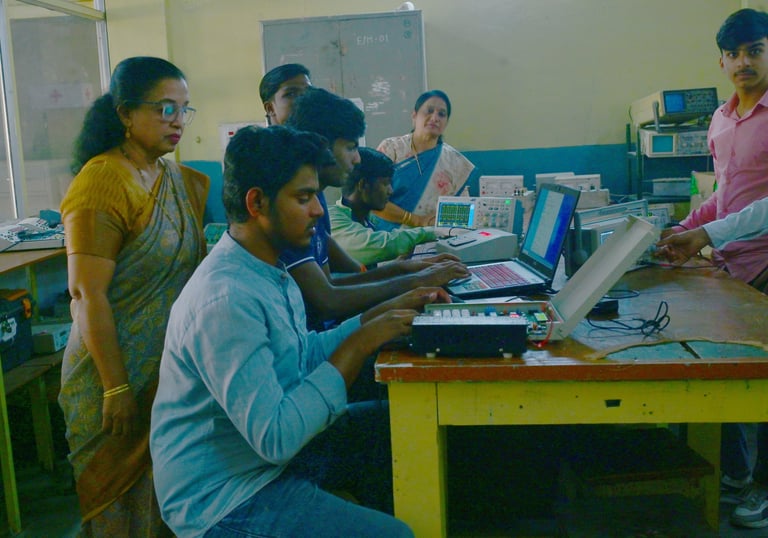
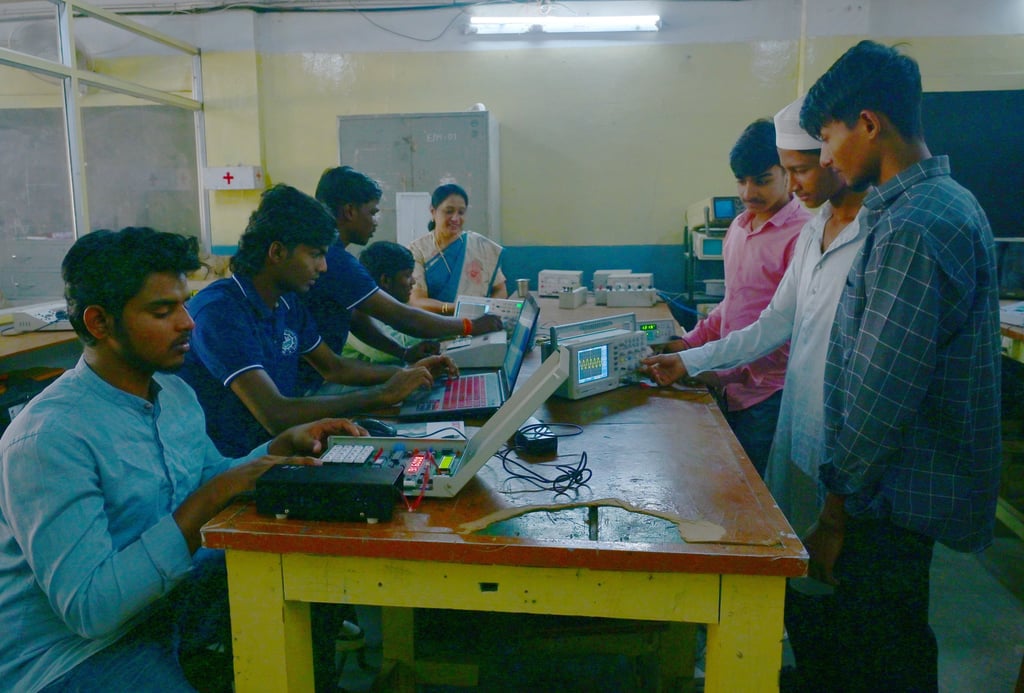
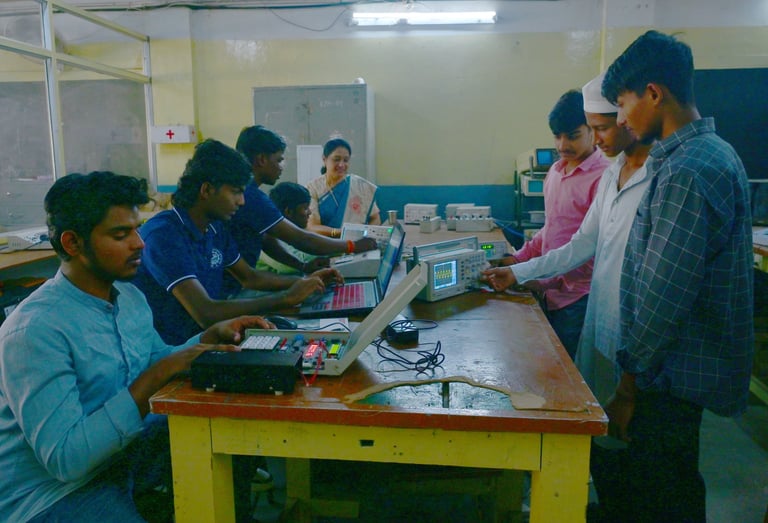
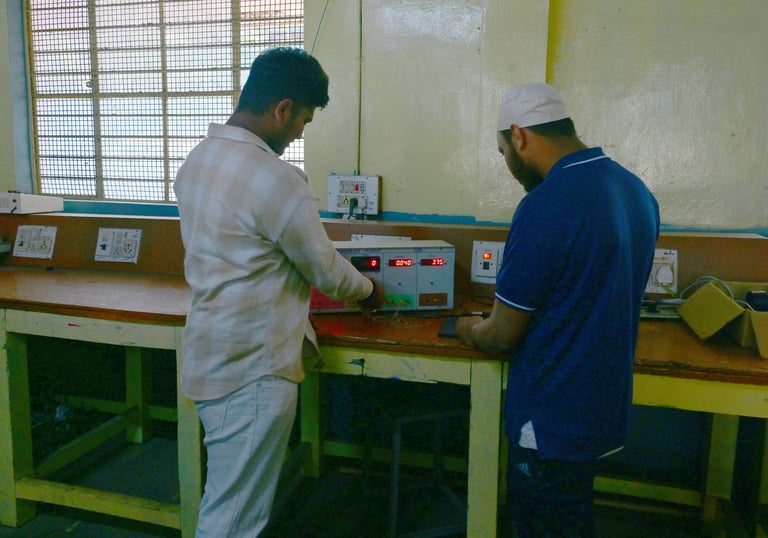
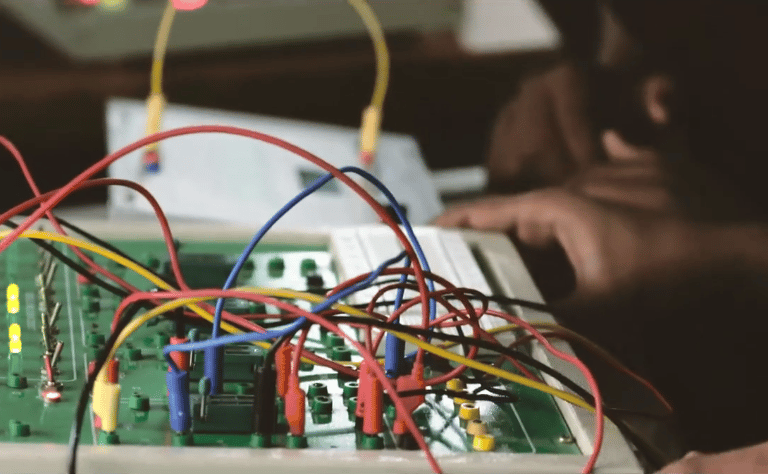
Electronics Mechanics: It is an important vocational trade offered at the ITI level, aimed at developing skilled technicians for the fast-growing electronics and electrical industry. The trade provides strong foundational knowledge in basic electronics, electrical components, semiconductor devices, digital electronics, and electronic circuits. Trainees learn to understand circuit diagrams, identify electronic components, and study the working principles of various electronic systems. Emphasis is placed on safety practices, quality standards, and proper handling of electronic equipment, which are essential in modern industrial and service environments.
The training program places major focus on practical, hands-on learning through laboratory and workshop sessions. ITI trainees are trained in assembling, testing, installing, servicing, and repairing a wide range of electronic devices and systems such as power supplies, inverters, UPS systems, consumer electronics, industrial control circuits, and communication equipment. They gain experience in soldering, desoldering, fault diagnosis, use of measuring instruments, and troubleshooting electronic circuits. This practical exposure helps trainees develop accuracy, problem-solving skills, and confidence required for real-world electronic maintenance and service work.
After completing the Electronics Mechanic trade, trainees have wide career opportunities in electronics manufacturing units, service centres, automation industries, telecommunications, and maintenance departments of various organizations. They are eligible for apprenticeships, employment in both private and public sectors, and can also pursue self-employment by starting electronics repair and service enterprises. With rapid advancements in electronics, automation, and smart technologies, ITI-trained Electronics Mechanics have strong scope for career growth, continuous learning, and long-term professional stability.
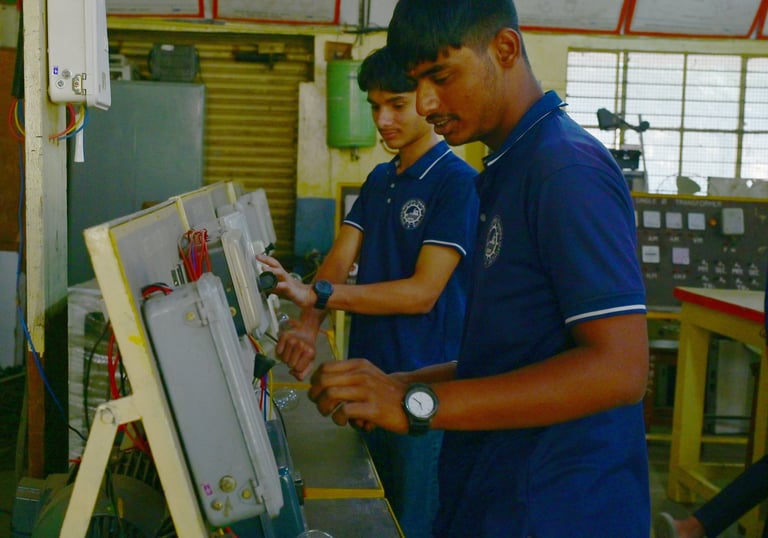
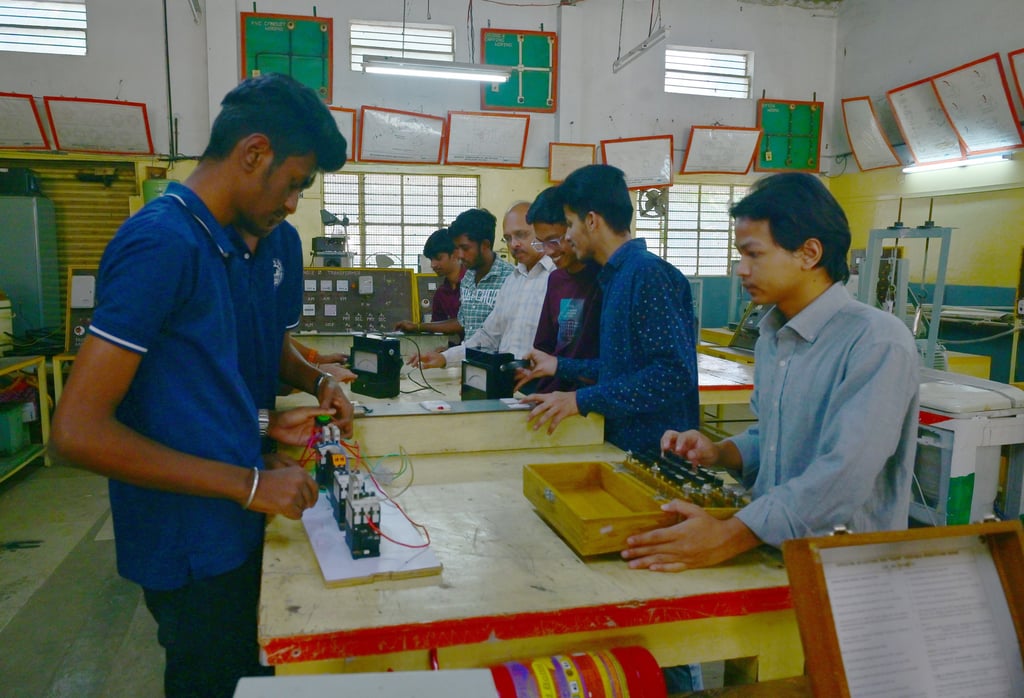
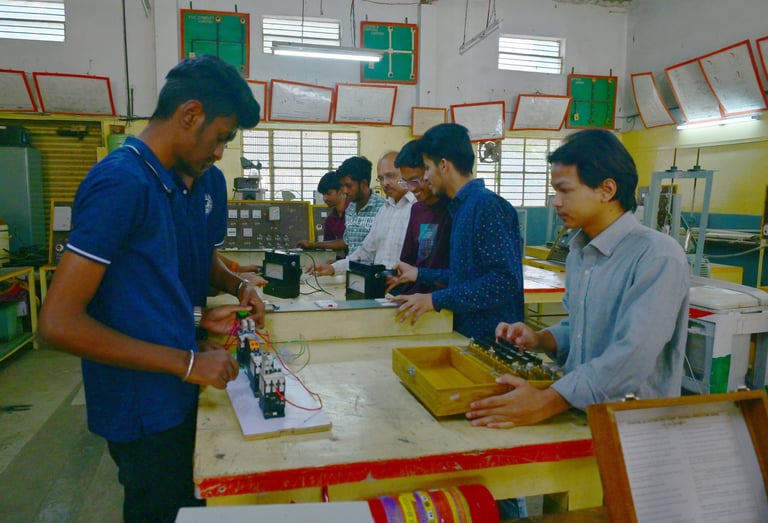
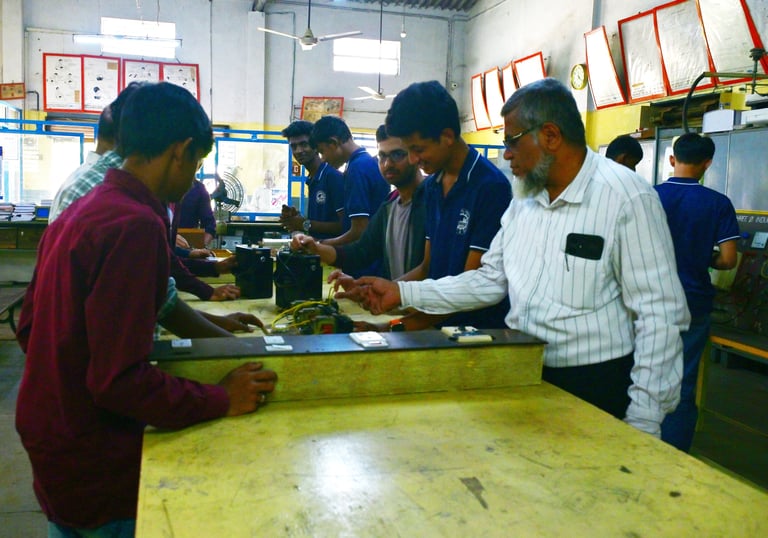
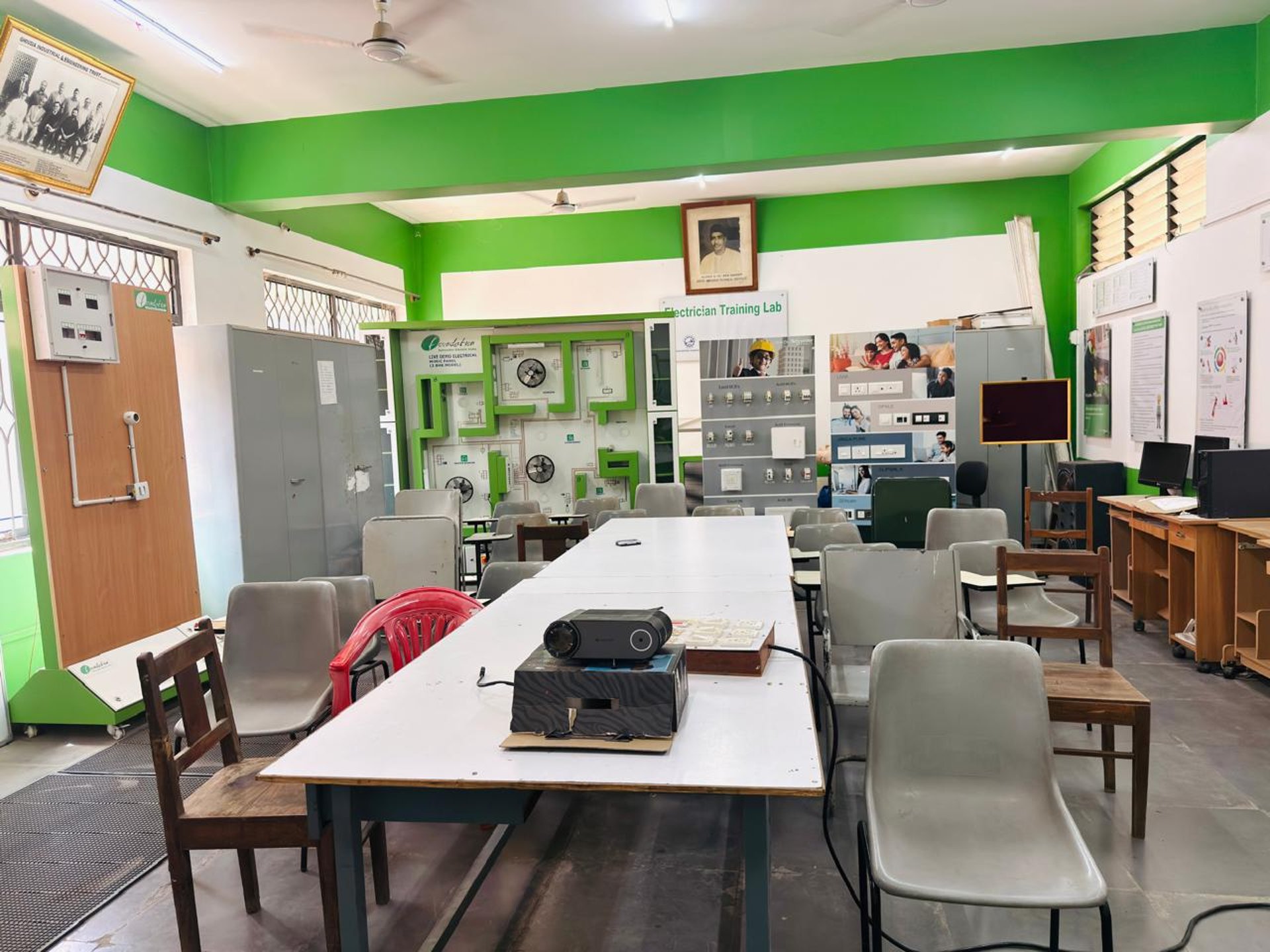
Electrician: It is one of the core and most in-demand vocational trades offered at the ITI level, focusing on developing skilled professionals for electrical installation, maintenance, and repair work. The trade provides strong theoretical knowledge of basic electrical engineering concepts such as electric circuits, wiring systems, transformers, motors, and power distribution. Trainees learn to read electrical drawings, understand wiring diagrams, and follow electrical safety rules and standards, which are essential for working safely and efficiently in residential, commercial, and industrial environments.
The training program emphasizes extensive hands-on practical work in well-equipped workshops. ITI trainees are trained in domestic and industrial wiring, installation of electrical equipment, testing and maintenance of motors, generators, control panels, and protection devices. They also gain experience in fault finding, use of electrical measuring instruments, earthing systems, and preventive maintenance practices. This practical exposure helps trainees develop technical accuracy, safety awareness, and confidence to handle real-time electrical systems and troubleshoot problems effectively.
On successful completion of the Electrician trade, trainees have excellent employment opportunities in construction companies, manufacturing industries, power plants, maintenance departments, and service sectors. They are eligible for apprenticeships, government and private sector jobs, and can also pursue self-employment by starting electrical contracting or service businesses. With continuous growth in infrastructure, renewable energy, and automation, ITI-trained Electricians have strong career prospects, job stability, and opportunities for skill upgradation and professional advancement.
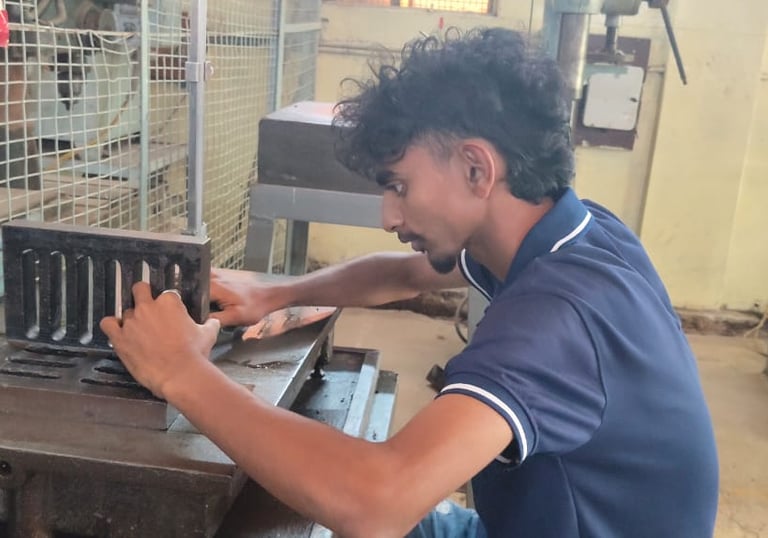
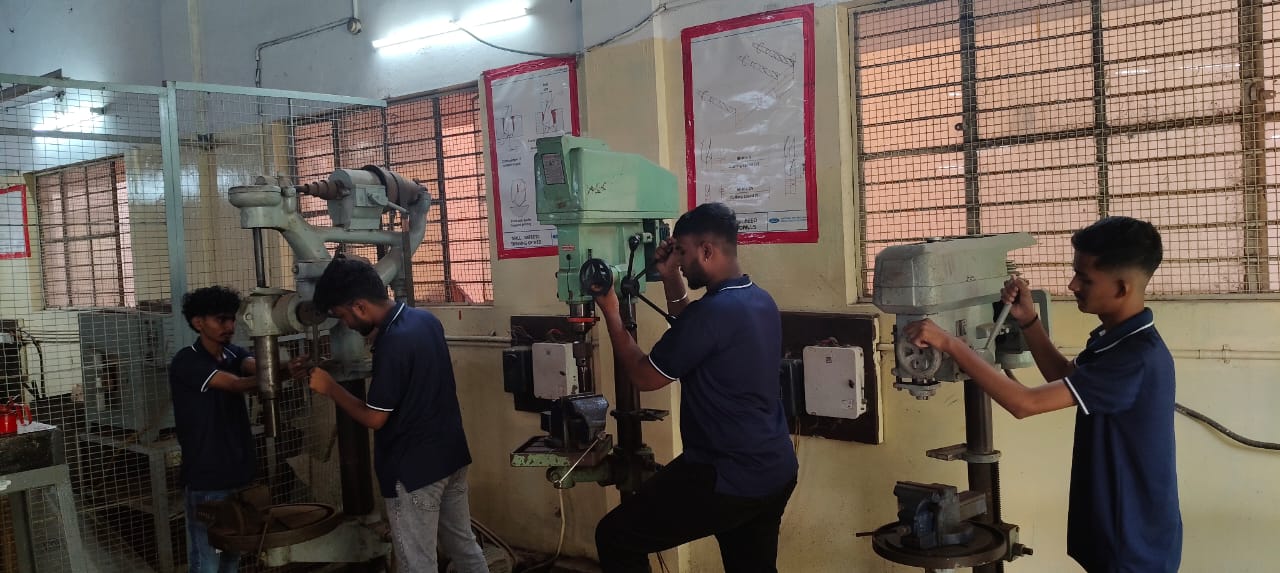
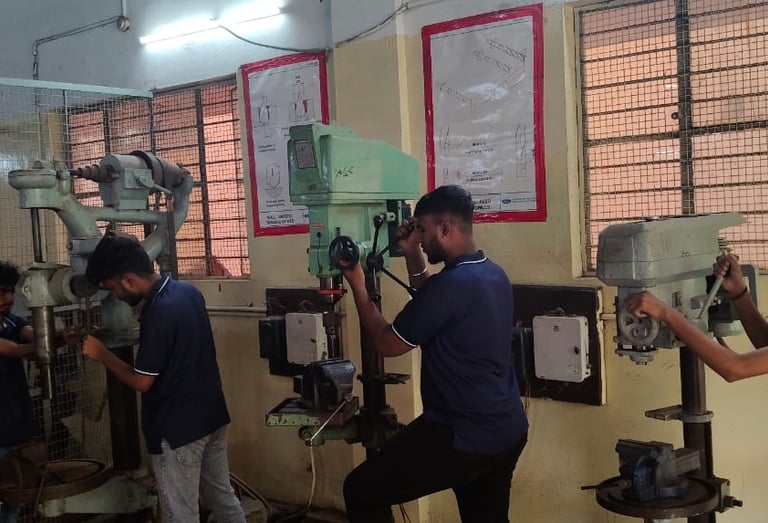
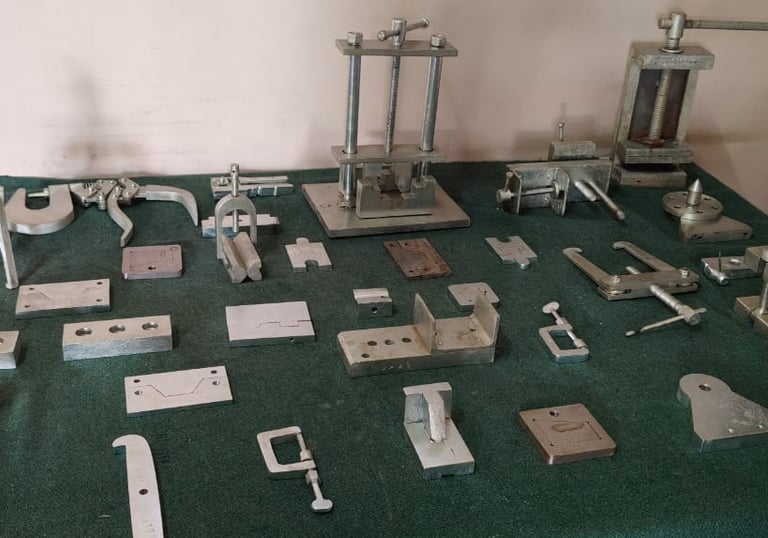
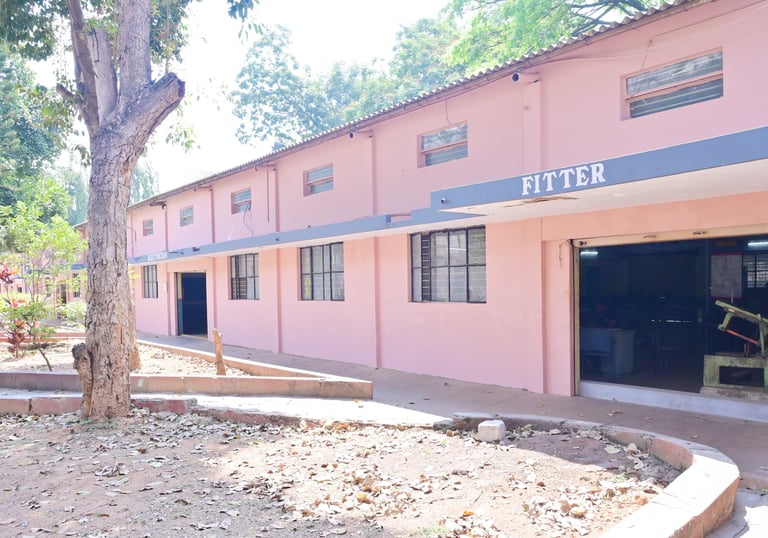
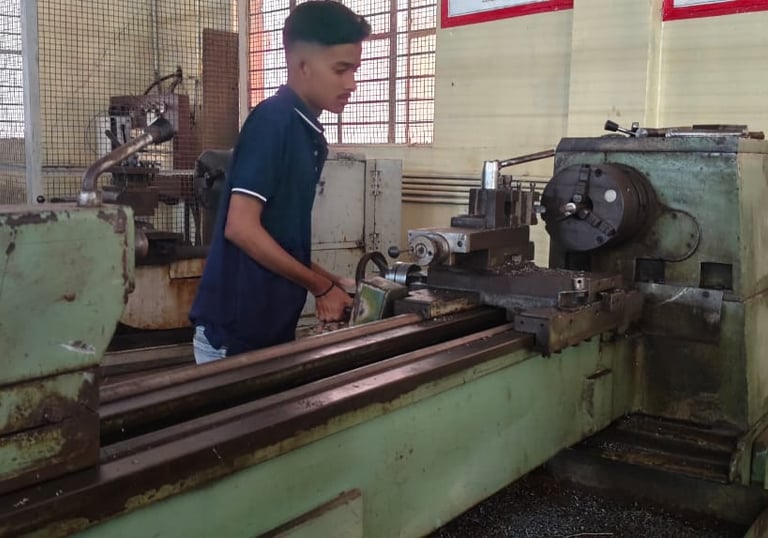
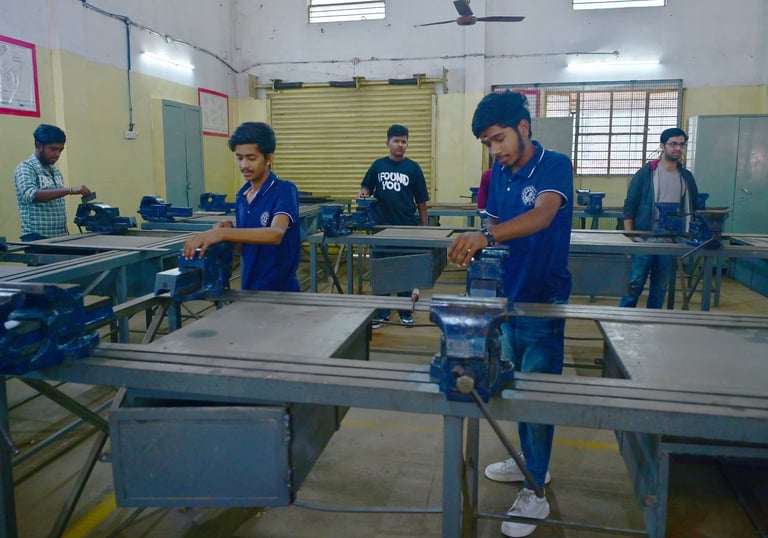
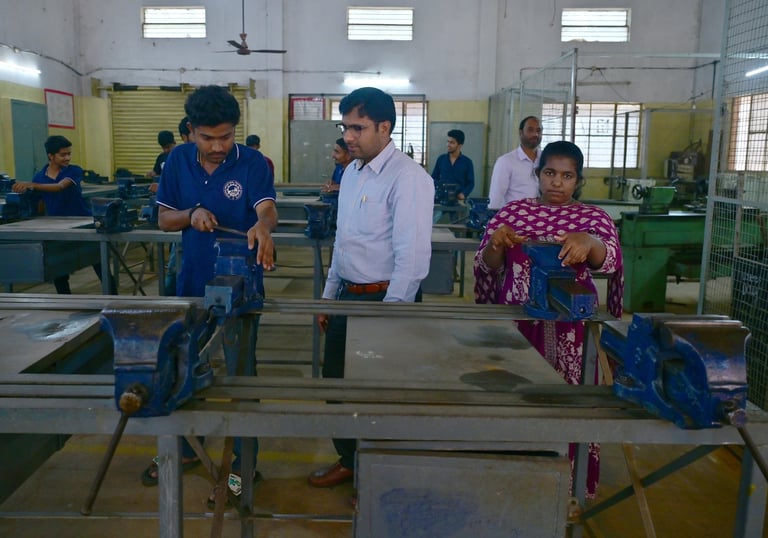
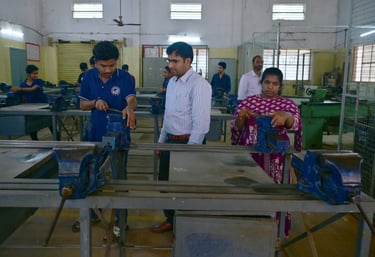
Fitter: It is a fundamental and widely demanded trade offered at the ITI level, aimed at developing skilled technicians for mechanical assembly, fitting, and maintenance work in various industries. The trade provides a strong foundation in basic mechanical engineering concepts such as measurements, limits and fits, properties of materials, and use of hand and machine tools. Trainees learn to read engineering drawings, understand workshop symbols, and follow safety practices, which are essential for precision work in manufacturing and production environments.
The training program places strong emphasis on hands-on practical training in workshops. ITI trainees are trained in marking, measuring, cutting, filing, drilling, tapping, grinding, and assembling mechanical components to specified tolerances. They gain experience in fitting of shafts, bearings, couplings, and mechanical assemblies, as well as basic machine operations and maintenance practices. This practical exposure develops accuracy, manual skill, problem-solving ability, and discipline, which are critical qualities for a fitter working in industrial settings.
After completing the Fitter trade, trainees have wide employment opportunities in manufacturing industries, automobile plants, production units, maintenance departments, and public sector organizations. They are eligible for apprenticeships, skilled technician roles, and self-employment in workshops and fabrication units. With the continuous growth of manufacturing, infrastructure, and mechanical industries, ITI-trained Fitters enjoy strong job prospects, career stability, and opportunities for advancement through experience and skill upgradation.
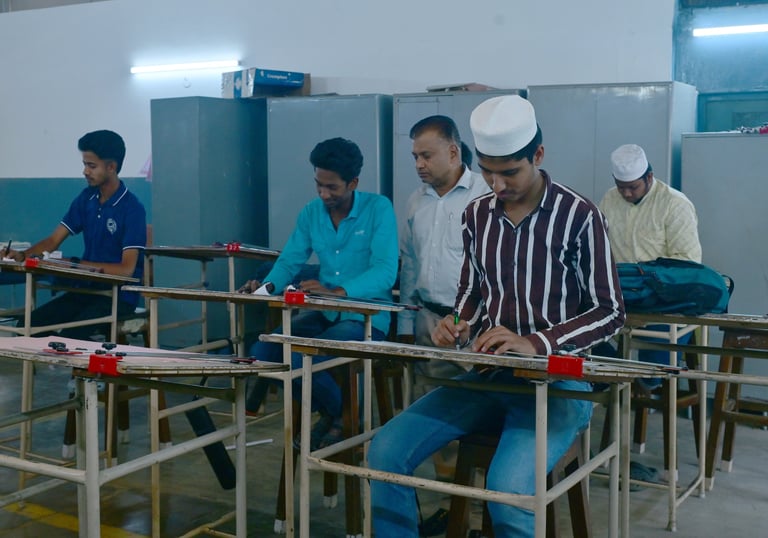
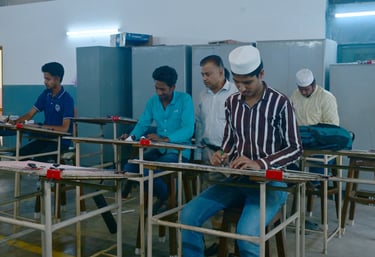
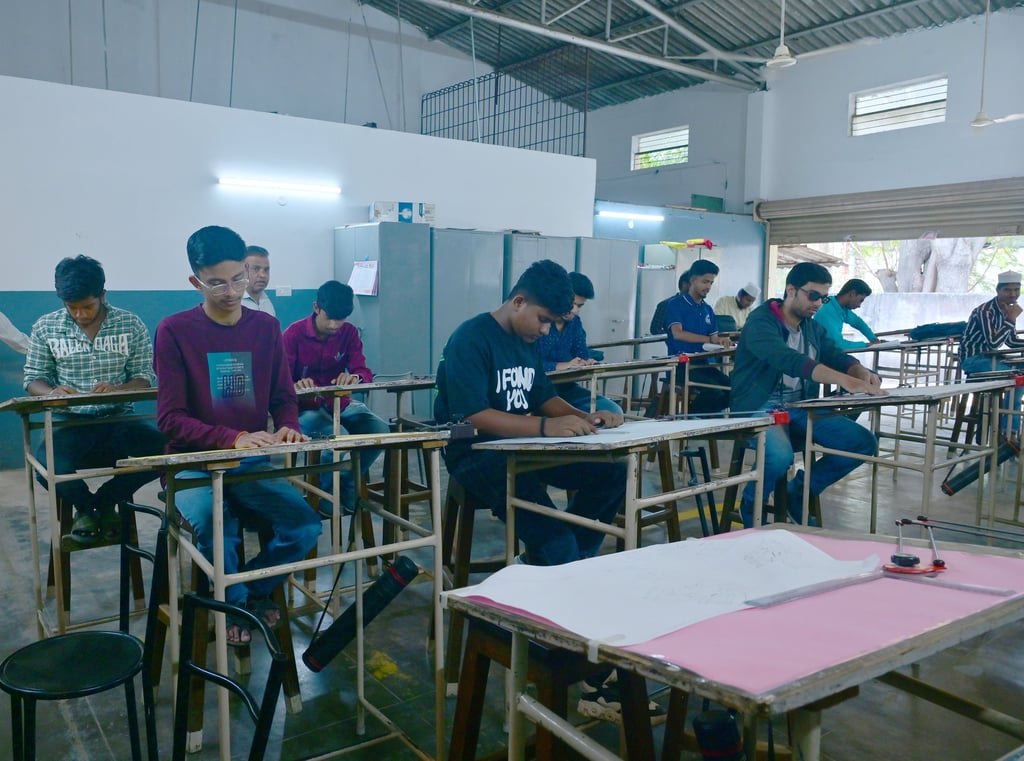
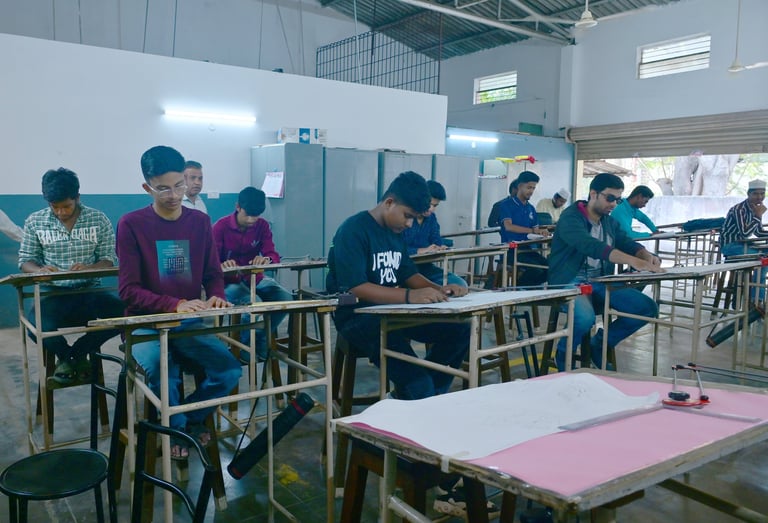
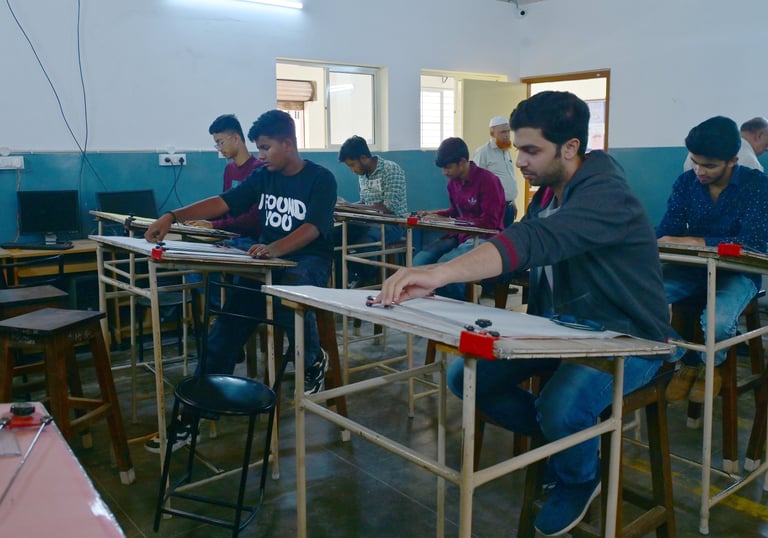
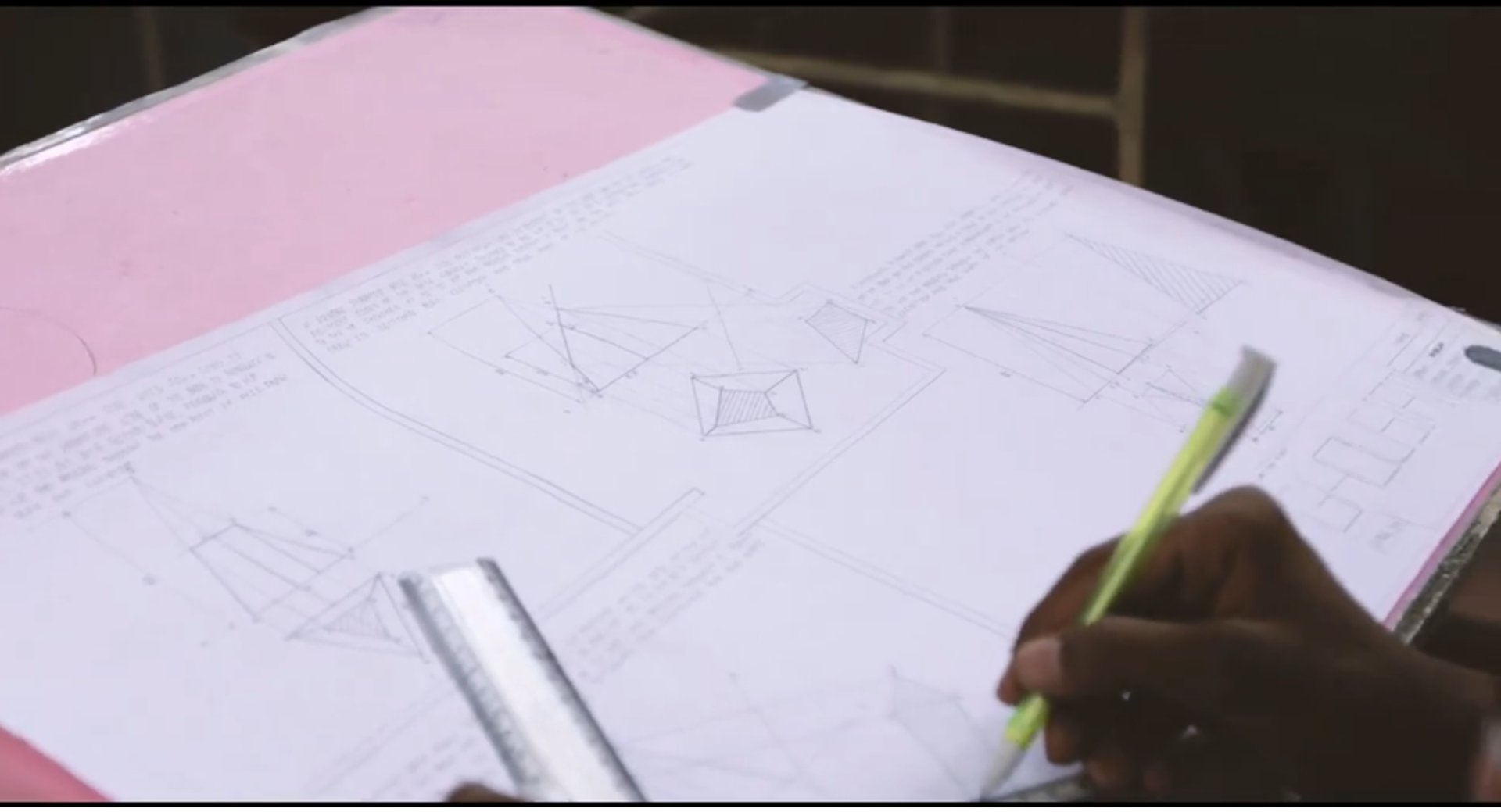
Draughtsman (Mechanical) with CAD: It is a specialized and career-oriented trade offered at the ITI level, designed to develop skilled professionals in mechanical drafting and computer-aided design. The trade provides strong foundational knowledge in engineering drawing, machine components, manufacturing processes, and design principles. Trainees learn to interpret technical requirements, prepare detailed drawings, and follow engineering standards and conventions. Emphasis is placed on accuracy, clarity, and adherence to industrial drafting norms, which are essential in mechanical design and production environments.
The training program integrates traditional drafting skills with modern CAD tools to ensure industry relevance. ITI trainees are trained in manual drafting as well as computer-aided drafting using CAD software to create 2D drawings and basic 3D models of machine parts, assemblies, and layouts. They gain practical experience in dimensioning, tolerancing, sectioning, and detailing of components used in manufacturing and fabrication. This hands-on exposure helps trainees develop precision, design visualization skills, and the ability to convert concepts into accurate technical drawings.
On completion of the Draughtsman (Mechanical) with CAD trade, trainees have diverse career opportunities in manufacturing industries, design offices, engineering consultancies, automobile sectors, and fabrication units. They can work as junior draughtsmen, CAD operators, or design assistants and are also eligible for apprenticeships in both private and public sector organizations. With increasing adoption of CAD and digital design technologies in industry, ITI-trained mechanical draughtsmen have strong scope for career growth, continuous skill enhancement, and long-term professional advancement.
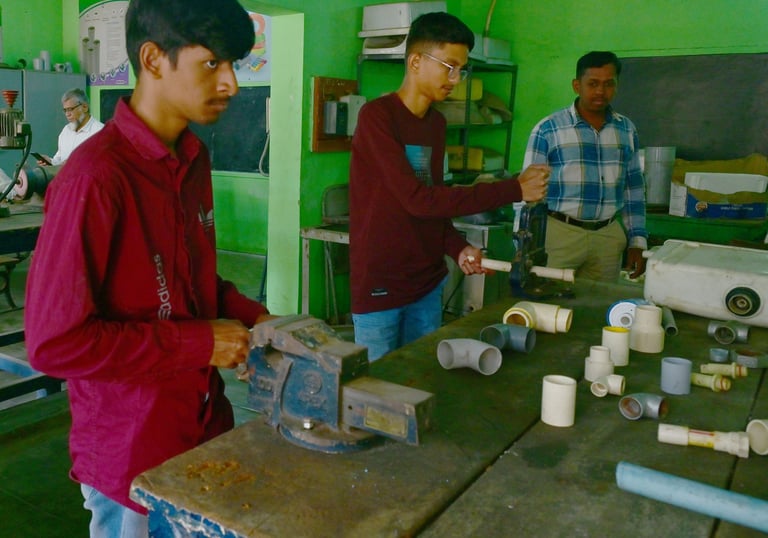
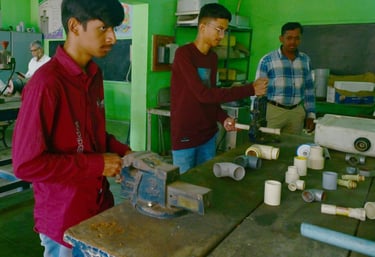
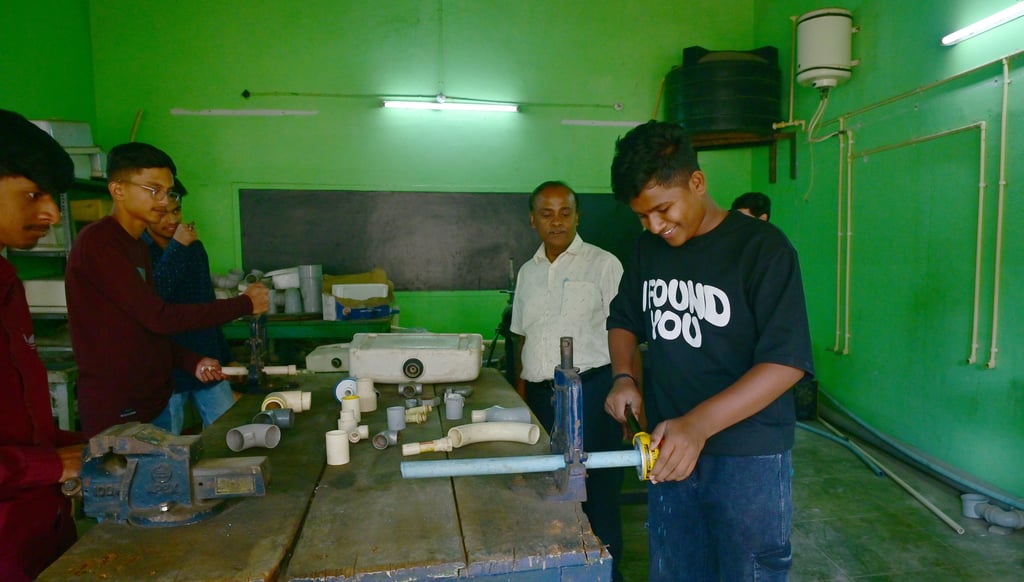
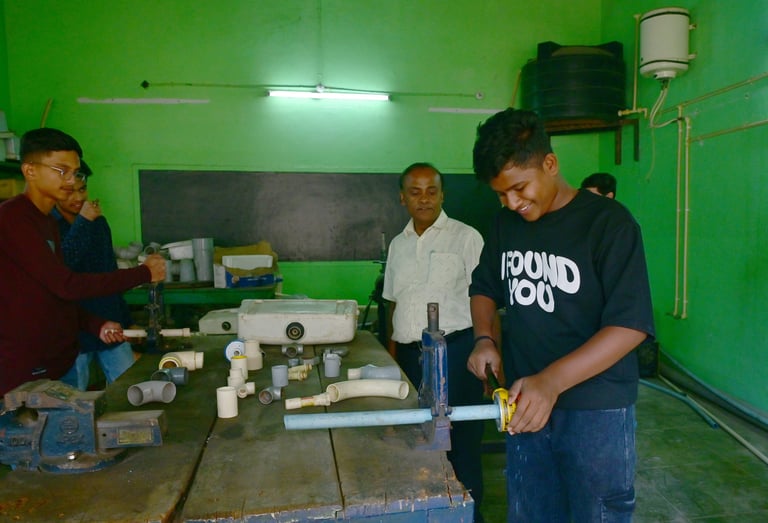
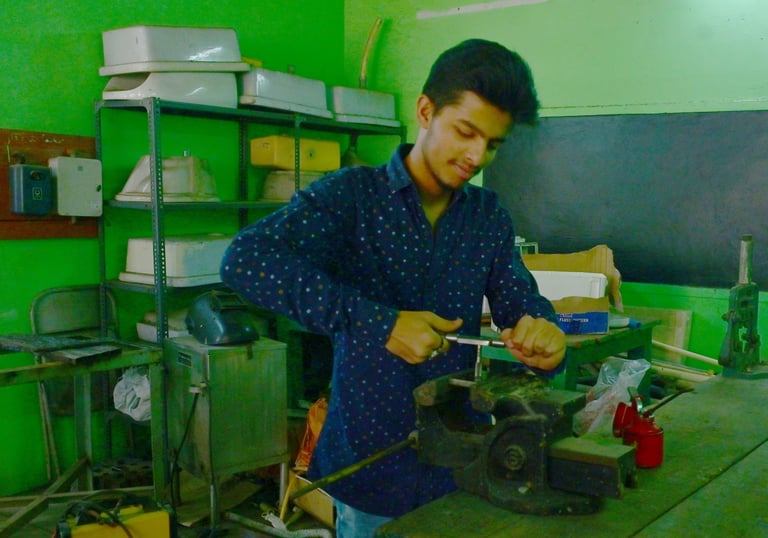
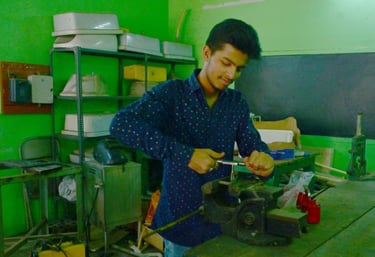
Plumber: It is a practical and highly relevant vocational trade offered at the ITI level, focused on developing skilled professionals for installation, maintenance, and repair of plumbing systems in residential, commercial, and industrial settings. The trade provides essential knowledge of plumbing materials, tools, pipe fittings, valves, sanitary fixtures, and water supply and drainage systems. Trainees learn to read basic drawings and layouts, understand plumbing codes, and follow safety and hygiene practices, which are crucial for efficient and reliable plumbing work.
The training program emphasizes hands-on practical experience through workshop and site-oriented learning. ITI trainees are trained in cutting, threading, bending, jointing, and installation of different types of pipes such as PVC, GI, copper, and PPR. They gain experience in fixing sanitary ware, water heaters, pumps, and drainage systems, as well as in detecting leaks, clearing blockages, and performing maintenance work. This practical exposure helps trainees develop technical skill, accuracy, and confidence to handle real-world plumbing tasks independently.
After completing the Plumber trade, trainees have strong employment and self-employment opportunities in construction companies, real estate projects, maintenance departments, municipal services, and service industries. They can work as skilled plumbers, maintenance technicians, or start their own plumbing service enterprises. With continuous growth in housing, infrastructure development, and urbanization, ITI-trained plumbers enjoy steady demand, job security, and opportunities for career growth and skill upgradation.
Shaping Skilled Innovators and Industry Leadersa
Where Every Student’s Dream Finds Direction.
Copyright © 2025 The President and Fellows of GITI
ghousia INDUSTRIAL TRAINING INSTITUTE
When young hands are trained with purpose, they gain skill; and with skill, they build the world around them
9963584276 / 9448704744 / 080-25536268


Connect with us on our social media channels






Design & Maintained By : Dr.MOHAMMED NAVEED
ghousiaiti@yahoo.co.in
gitiplacement@gmail.com